The Congo Basin: The Lungs of the World

The Congo Basin: The Lungs of the World

The Congo Basin is known to be the “lungs of the world” but is treated merely as a resource frontier rather than an ecological lifeline. As the Earth’s largest carbon sink, it has a major role in regulating atmospheric carbon, preserving biodiversity, and sustaining the lives of millions of local communities who need the forest to survive. The same governments and corporations that claim to protect the Basin actually are profiting from its degradation. This is evident as land from Congolese people has been stolen and damaged by mining and logging concessions that the government has allowed to occur. Additionally, carbon offset programs, which claim to protect the forest, are horribly regulated and provide excuses for the government to give indigenous land away to foreign interests, displacing and misleading communities. This article argues that the exploitation of the Basin, especially through “green” initiatives like REDD+, reveals patterns of the Congo’s governance prioritizing global markets over the rights of its indigenous communities.

Credits to: Unsplash+

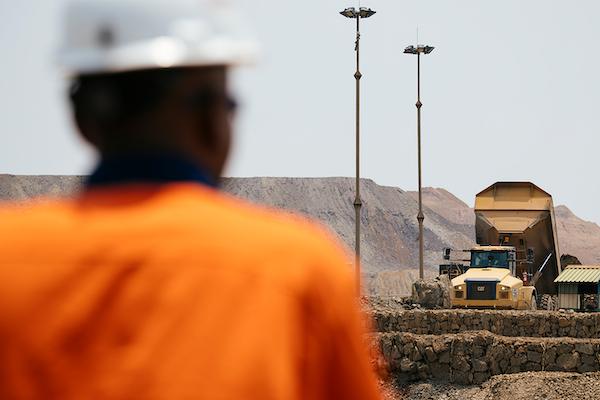
The Congo Basin is known as the world’s largest remaining tropical carbon sink, with its immense number of trees and tropical plants, which allow it to absorb vast amounts of carbon. The basin spans roughly 500 million acres across six Central African countries: Cameroon, the Central African Republic (CAR), the Democratic Republic of the Congo (DRC), the Republic of the Congo, Equatorial Guinea, and Gabon. The region contains the largest area of rainforest with about 107 million hectares, and covers over 70% of Africa's tropical forests, making it a hotspot for biodiversity. This can be seen through its housing more than 600 tree species and over 10,000 animal species. Despite its ecological significance, the region faces numerous threats of high degrees of poaching and escalating rates of forest degradation and deforestation. Additionally, the global demand for the basin's natural resources such as wood, oil, gas, diamonds, gold, iron, and coltan has risen significantly. As a result, a large and growing percentage of the Congo Basin is under concession to logging and mining companies such as Glencore (Switzerland), Ivanhoe Mines (Canada), Eurasian Resources Group (Kazakhstan), Zijin Mining and CNOC Group (China), MMG Limited (China/Australia), and Trafigure (Singapore/Switzerland). Companies extracting materials often rely on subsistence methods, imposing severe damage to the keystone region. To make matters worse, powerful state actors such as China, Rwanda, Belgium, Uganda, and the USA/EU have continuously viewed the region as merely a way to make profit, causing several harmful mining initiatives to exploit Congolese people.

With a regional population estimated to be over 157 million people, housing over 150 ethnic communities, the Congo Basin is vital to human life. For groups such as the BaMbuti, Efe, and BaAka, the forest is an essential lifeline; it is a home of food, materials, medicine, and shelter. The region's rapid increase in population has placed an especially large pressure on maintaining the Basin’s natural resources and ecosystems for the over 60 million individuals that directly depend on it for survival. As logging and mining have expanded in the Congo, the resulting displacement has created not only economic instability but also serious damage to culture. Congolese who are culturally tied to the land have had their right to it; mining operations have led to restrictions on land. This has caused an undermining of their farming, hunting, and medicinal needs and practices, breaking communities away from systems that have sustained them for hundreds of years. Additionally, many communities are not properly informed of mining or logging projects and are typically promised schools and infrastructure, which they never actually receive. This pattern of displacement is not only present in mining but has re-emerged through conservation and carbon offset projects.

Credits to: Markus Spiske, Unsplash.com

Currently, the same governments and organizations that claim to protect the Basin through conservation and climate initiatives are just ploys to exploit indigenous land for profit. Although REDD+ programs seem to provide solutions to climate change and deforestation, in actuality, their incredibly weak oversight and lack of transparency have made them commonly manipulated for financial gain. Instead of being treated as tools for local environmental protection, carbon credits are serving as commodities in international markets, creating a cover-up for companies to hide their emissions. In the Democratic Republic of Congo, the DRC Ministry of Environment has allowed for logging, mining, and conservation operations to occur without Congolese consent. This has caused a harmful and unjust reallocation of indigenous land to foreign-controlled companies, depriving the Congolese people of rights to their own land. Profits from resource extraction and carbon markets flow largely to investors in the North, whereas, despite losing land crucial to their survival, indigenous groups receive little to no share of profits. Governments and corporations justify their projects by promising opportunities such as schools, employment, healthcare, and infrastructure to Congolese people. However, these promises have never actually been fulfilled. As a result, through these projects, local communities are left with restricted land access, an erosion of their culture, and extreme economic hardship.

A prime example of indigenous exploitation is the Yafunga case. Yafunga is a village in Isangi territory where about 8000 people rely on farming and fishing for a living. Since 2004, the land that belonged to the Yafunga people has been inaccessible to its inhabitants, first due to a logging concession through the Safbois company, and later, a carbon offsetting project managed by Jadora. The Chiefs of the Yafunga had signed agreements to the land without full disclosure, allowing for indigenous consent to be missing. Safbois had promised schools, healthcare, roads, and jobs, but delivered almost nothing. A singular school was built but is now run down, and no hospitals, roads, or any other infrastructure were ever delivered. Ownership for both Safbois and Jadora was eventually transferred to the rich American Blattner family. More than 565,000 hectares (comparably the size of Delaware) were controlled by the Blattners in Isangi alone. The Blattner family exploited the residents of Yafunga and at least 30 other villages in the DRC’s territory. Residents were not informed of the REDD+ project until 2019, 15 years after the project had begun. Due to this exploitation, indigenous residents bear extreme environmental and economic costs, along with displacement from centuries-old connections to their land.

Credits to: Planet Volumes, Unsplash.com

The crisis in the Congo basin reveals how “green” solutions are not inherently ethical. Interestingly enough, carbon offset and conservation programs produce the same patterns of exploitation as corrupt mining and logging concessions in the Basin. This is a result of certain profit-hungry government officials who refuse to take accountability for their actions. Readers must examine who actually benefits from carbon markets and if indigenous communities are actually being informed of activities in the Basin, not misled with false promises. Indigenous communities must maintain their right to their land because it is their home, and no corrupt government or corporation should be able to take that from them. We cannot allow the world’s largest carbon sink to be placed in the hands of individuals who do not care if it deteriorates. As a result, government and corporate actors must be held accountable for their actions. This can only be accomplished through better oversight, an increase in protections for indigenous land, and more transparent carbon markets. If the Congo Basin collapses, this will not just affect the Congo but the entire world because of its global climate significance. As a result, readers must demand global action to guarantee the Basin’s preservation.

Written by Vatsala Dogra

Source List

DR Congo: No waiting game among politicians on the contours of political dialogue

DR Congo: No waiting game among politicians on the contours of political dialogue

In Kinshasa, as in the rest of the country, several actors are clashing over the holding of a political dialogue. While some argue that it is an opportunity, others see it as a snub to share power.

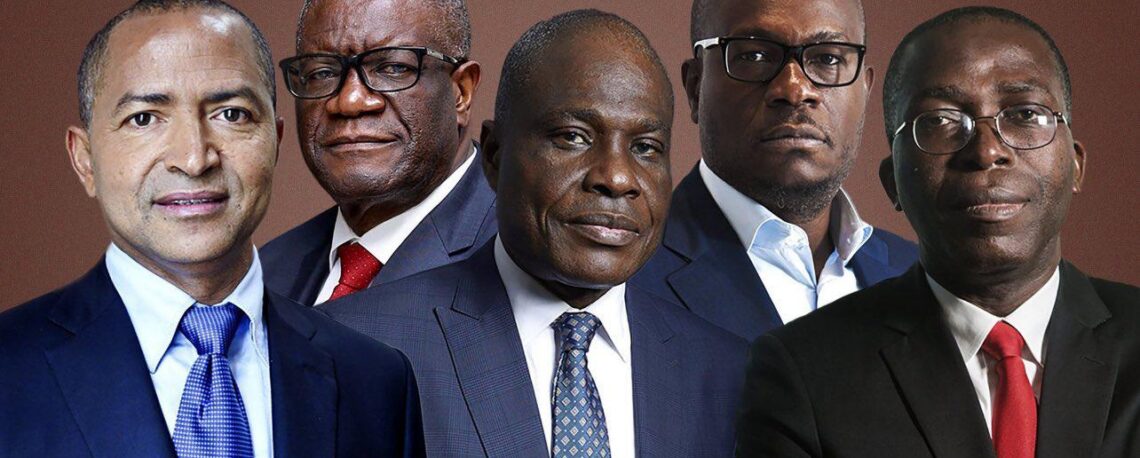
"The priority today is first and foremost to restore the integrity of the territory of the Democratic Republic of Congo and peace. I think that once we have put an end to this aggression, only then will we be able to talk to each other (in the context of a dialogue)," says Dr Denis Mukwege, Nobel Peace Prize winner and candidate in the last elections in 2023.

The Framework for Consultation between Political and Social Forces believes that dialogue must take place, but not with Félix Tshisekedi as the sole decision-maker, as he is one of the architects of the current crisis.

"It is not for the President of the Republic, who is a party to the conflict and a central player in the current crisis, to decide unilaterally on the venue, the organizational arrangements, participation, conduct or scope of the national dialogue debates," the organization believes.

"The Framework for Consultation between Political and Social Forces reaffirms its commitment to a truly inclusive political dialogue, mediated by a neutral, credible and independent party, as proposed by the ECC-CENCO Joint Mission and validated by the African Union," said a press release published by this political organization close to the opposition.

Mgr Donatien Nshole, spokesperson for the National Episcopal Conference of Congo, believes that the dialogue must bring together actors from all over, and especially from outside the country. "The inclusive dialogue must take place outside the country, for security reasons," he said on a Kinshasa radio station.

Josué is an activist with Lucha. For him, dialogue should not be used to strengthen those who have committed crimes. "While dialogue is an essential tool for national cohesion, it must not under any circumstances become a platform for impunity where the executioners of yesterday and today buy political virginity on the backs of their victims," he says.

"The country cannot be satisfied with a mere 'facade of dialogue' that would exclude key players and perpetuate a precarious balance between peace and impunity," says Ensemble pour la République, Moise Katumbi's political party.

Wait and see.

Written by Akilimali Chomachoma

Glencore and Orion alliance: condemnation of an agreement tainted by corruption

Glencore and Orion alliance: condemnation of an agreement tainted by corruption

The coalition Congo Not for Sale (CNPAV) is sounding the alarm about the agreement between the Anglo-Swiss company Glencore and Orion, an American company.

At the heart of the concerns expressed are the mining projects of Kamoto Copper Company (KCC) and Mutanda Mining, which the coalition links to the activities of businessman Dan Gertler, who was sanctioned by the US Treasury in 2017.

According to the CNPAV, "KCC and Mutanda regularly pay royalties to Dan Gertler following opaque transactions, reminding us that these sanctions had brought to light a system of corruption already documented by the US justice system," the text reads.

In this note, the coalition recalls that the Anglo-Swiss multinational Glencore, owner of the KCC and Mutanda mines in the DRC, was fined more than $150 million following an investigation in Switzerland into transactions in Congo. The company was found guilty of failing to prevent corruption involving its business partner Dan Gertler during the acquisition of stakes in the Mutanda and Kansuki mines in 2011.

The coalition also cites major financial losses for the DRC, estimating that these mechanisms allowed the businessman to continue to "rake in around $250,000 a day".

Beyond the Congolese case, the CNPAV is extending its warning to the track records of the companies concerned.

It points out that Glencore has acknowledged corruption in several countries and agreed to pay more than $1 billion in fines as part of international legal settlements, while Orion's track record in Africa, particularly in Guinea, "raises serious governance issues".

For the CNPAV, the companies involved in these negotiations and the mining operations concerned present serious risks of corruption. We therefore encourage the DFC to require, as a precondition to the transaction, that Dan Gertler divest his Congolese assets, and in particular that he waive his royalties from KCC and Mutanda, without any financial compensation," the statement said.

Written by Akilimali Chomachoma

Mining: Bashu's copper, heart of tensions between mining companies and local populations in North Kivu

Mining: Bashu’s copper, heart of tensions between mining companies and local populations in North Kivu

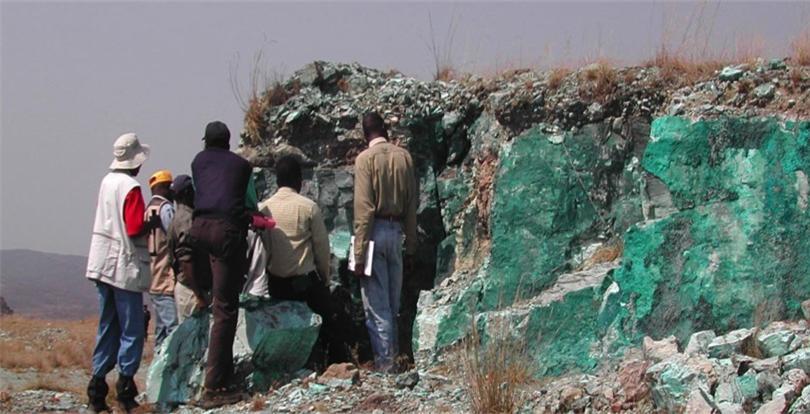
In North Kivu province, as others parts of the Democratic Republic of Congo, mining activity continues unabated. However, behind the promises of development lies a bitter reality for the indigenous populations: that of imposed exploitation.

In the Bashu chiefdom, copper mining illustrates this persistent gap between the letter of the law and practice on the ground.

In a statement released on Monday 9 February 2026, climate activist and environmentalist Shabani Loswire pointed out that local communities are not mere spectators of the exploitation of their lands. "These local communities have a right, enshrined in Law No. 22/030 of 15 July 2022, which gives them the right to accept or reject any mining or forestry project for specific reasons.

On the ground, however, the reality is quite different. Companies obtain approval from the authorities and, in most cases, do not consult the local communities that will suffer the environmental consequences of any mining operation," he said.

This right is based on the principle of Free, Prior and Informed Consent (FPIC). For Shabani, this process is not a mere administrative formality, but a bulwark against abuse, enabling communities to avoid land and social conflicts; take ownership of development projects; and understand and anticipate environmental impacts.

Bashu's recent history has been marked by the arrival of Graben Mining. The company, which holds an operating license, has set up operations in extremely sensitive areas.

According to local critics, the outcome of this presence reflects a denial of rights: no information was shared about the duration of the project, the nature of the contract or the actual environmental impacts. By acting without applying the CLPE, the company allegedly undermined the dignity of the communities, which are now facing the consequences of this exploitation.

Today, concern is growing with the announcement of an exclusive purchase and sale agreement signed by the American company Copper Intelligence to exploit copper from Butembo, sourced from the Bashu deposits.

"It is unacceptable that, in a region already ravaged by multiple forms of armed violence, resources are being sold off without those most affected having a say. In Bashu, for example, Graben Mining, the company that held the copper mining license at the time, set up operations and mined deposits in extremely sensitive areas without providing any information on the duration of the project, the nature of the contract or its impact. In other words, the company acted without applying the process of free, prior and informed consent (FPIC), a right recognized for local communities.

To date, an exclusive purchase and sale agreement has been signed by an American company, Copper Intelligence, to mine copper from Butembo, a deposit located in Bashu, a chiefdom plagued by multiple forms of armed violence.

The pattern seems to be repeating itself: agreements signed at the highest levels, approval from the authorities obtained in complete secrecy, and persistent silence towards local communities.

"The combined company, Copper Intelligence, formerly African Discovery Group, which purchased the license from Graben Mining, has announced that it has become the first independent company in the Democratic Republic of the Congo (DRC) to be listed on the US stock exchange" wrote Fiston Mahamba, a Congolese investigative journalist.

He adds: "According to documents from these organizations, several mining activities are being carried out by teams from the SAEMAPE [Support and Supervision Service for Small-Scale Artisanal Mining Operations] from the town of Butembo, accompanying miners supervised by Caucasians, but without involving the local population".

Before any operation can begin, it is imperative that Copper Intelligence and the relevant authorities break with past practices. Respect for the rights of the Bashu communities should involve: organizing a transparent meeting with all members of the community; providing comprehensive information on the risks and benefits of the project; and strictly implementing the preconditions set out by the inhabitants.

For Shabani Loswire, mining cannot be carried out at the expense of social peace and the environment. "The CLPE is not an option, it is a legal and moral obligation. It is time for the voice of Bashu to be heard before the first excavators tear up the soil of our ancestors once again."

Written by Azarias Mokonzi

DRC- Rwanda: “Beyond Economic Plundering, The Threat Of Territorial Annexation"

DRC- Rwanda: “Beyond Economic Plundering, The Threat Of Territorial Annexation”

As a Congolese citizen, my comments today are not aimed at any particular community. This is not about stigmatization, but rather a clear-headed analysis of the facts that threaten the integrity of our nation. For some time now, my research has revealed a brutal truth: the war in eastern DRC, involving the M23 in particular, goes far beyond the scope of a simple internal rebellion or rejection of the current government.

It is now clear that this conflict does not stem solely from President Tshisekedi's management, which we criticize on a daily basis. For more than thirty years, the DRC has been plagued by cycles of violence. In the past, Presidents Laurent-Désiré Kabila and Joseph Kabila faced similar challenges. This suggests that the pretexts put forward to justify the conflicts are complex and that the root causes are manifold.

An analysis of the dynamics of the conflict

The findings of numerous observers, including the June 2025 UN expert report, highlight a possible expansionist dynamic, perceived as a war of conquest and territorial occupation. The report suggests that certain actors are seeking to extend their influence and control over territories in the DRC. To conceal this ambition from the international community, it would appear that strategies are being put in place to weaken the country from within by supporting armed groups composed of Congolese nationals.

I personally witnessed a revealing conversation. In December 2023, in Kigali, during a conference on international humanitarian law, my questions about the legal nature of the conflict in the East provoked an intense reaction from one person present, who identified themselves as having been involved in the situation in Congo since the time of the AFDL and still active alongside the AFC-M23.

During a break, this person approached me with disconcerting frankness. They confided that, from their perspective, the conflict was "justified", arguing that certain Congolese territories historically belonged to other entities.

She also expressed concerns about the treatment of the Congolese Tutsi populations, presenting them as marginalized, and insisted, taking me for someone close to the government, that I convey a message to the Head of State: if a solution was not found for these populations, there would be a risk of these lands being annexed in order to 'protect' them. At the time, I underestimated this threat, thinking that the motivations for the conflict were mainly economic. Recent developments have shown that territorial issues are also an important factor. Recent history has shown me the complexity of the situation.

Later, this discourse found a disturbing echo. International figures relayed the theory that certain actors were fighting to reclaim land. This theory, far from being isolated, seems to be integrated into certain narratives and has been publicly mentioned by leaders.

The urgency of a unified approach

Faced with this complex situation and the risks of territorial integrity being compromised, our collective naivety, internal divisions and betrayals weaken our position. The risk of balkanization is real. I call on our political leaders to act responsibly. If we want to preserve the legacy of our borders, it is imperative that we put aside our differences. A power that seeks to impose itself by force without consideration for the people and the territory compromises stability. Similarly, an opposition that seeks the president's departure by any means, at the risk of leading a country stripped of its sovereignty, would be tragically blind.

Today, everyone seems to be fighting for their own interests, which weakens the national position. That is why the dialogue initiated by the Catholic prelates must not be a mere sharing of positions, but a historic opportunity to speak with one voice on the fundamental issues of sovereignty and territorial integrity.

In a serious nation, when sovereignty is at stake, internal quarrels should give way to the higher interests of the nation. It is possible to continue to criticize governance, but it is essential to maintain a united front in the face of external threats. Above all, it is a matter of preserving the land of our ancestors.

Written by Azarias Mokonzi


Azarias Mokonzi is an investigative journalist and independent political analyst (columnist). His research focuses on domestic and international law. He is the founder of the "Réveil Citoyen" movement, a think tank and awareness-raising organization based in Beni that combats the anti-values that plague Congolese society by promoting civic engagement.

DR Congo: Disarmament program workers accuse authorities of more than a year's worth of unpaid wages in Ituri

DR Congo: Disarmament program workers accuse authorities of more than a year’s worth of unpaid wages in Ituri

Disarmament, Demobilization, Community Recovery and Stabilization (P-DDRCS) program workers and managers in Ituri have taken a stand to demand payment of 38 months of unpaid wages. This demand was made following a videoconference meeting held on Friday, 9 January 2026, hosted in Kinshasa by the program's national coordinator, Professor Ntanga Tita.

Speaking on behalf of the agents, Christophe Adubango, union representative of the provincial coordination of P-DDRCS Ituri and second respondent of the awareness section, denounced the extreme precariousness in which the workers have been living for more than three years.

"Our priority remains the payment of 38 months of unpaid wages above all else. We have been extremely patient. We did not even celebrate the 2025 end-of-year holidays, while in several public services, employees received support from their employers. Our children are falling ill without access to medical care due to lack of funds, yet we are active and punctual at work. We refuse any maneuver aimed at sending employees on technical leave without clearing the arrears," he said.

Created in July 2021 by President Félix Tshisekedi, this is the fourth program of its kind in the country, aimed at promoting peace and stability in conflict-affected areas. 

During this communication, the national coordinator of the P-DDRCS outlined the financial difficulties facing the program. According to Professor Ntanga Tita, out of a total of 507 agents registered across the DRC, only 141 positions are currently budgeted, banked and regularly paid. More than 360 agents therefore remain without stable remuneration.

In Ituri in particular, the situation is considered critical: only 22 agents have bank accounts, while 140 others have been working without pay for several months or even years, plunging many families into deep social distress.

Created in 2021 and placed under the presidency of the republic, unlike other previous programs, the PDDRCS is struggling to disarm these combatants due to a lack of resources. Several partners have withdrawn due to opaque management of funds.

Written by Akilimali Chomachoma

Questions arise in the DRC after the signing of the Washington agreement

Questions arise in the DRC after the signing of the Washington agreement

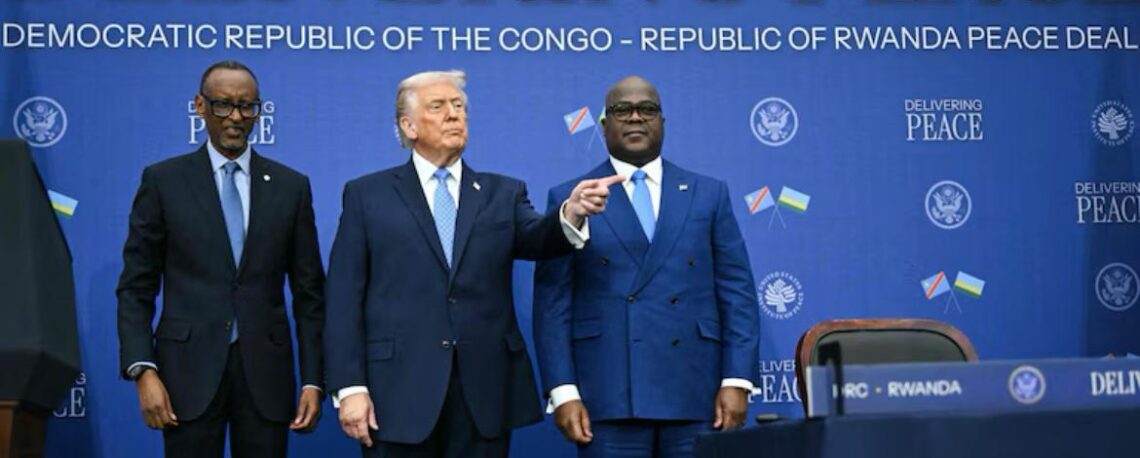
At the instigation of the United States, the presidents of the DRC, Félix Tshisekedi, and Rwanda, Paul Kagame, have just ratified the agreement signed in June and given substance to the regional economic integration framework adopted in early November.

Angolan President João Lourenço, Burundian President Evariste Ndayishimiye, Kenyan President William Ruto, Ugandan Vice President Jessica Alupo, former Nigerian President Olusegun Obasanjo, former Kenyan President Uhuru Kenyatta, and other African officials were present as witnesses to this meeting. In the Democratic Republic of Congo, opinions are divided between those who believe that this will not solve the problem and those who believe that these commitments should be given a chance.

"It seems clear to me that President Félix Tshisekedi is not pursuing peace, but rather his third term in office, using all means to ensure American protection. Paul Kagame, for his part, is only defending his country's economic interests, while Donald Trump is seeking to amass billions in order to preserve his personal financial power and that of the American people, aware that this is his last term in office. America does not want peace in the DRC," believes Daniel Louis Mpela, an executive member of the opposition political party ECIDE.

Others speak of Congo's capitulation with the signing of this agreement. This is the case for Christian Mutaba, a Congolese political analyst. "This is not a peace agreement. It is a capitulation disguised as diplomacy. Goma (January 2025) and Bukavu (February 2025) have fallen into the hands of the M23.

Twenty-three years after Sun City and Pretoria, we are seeing the same thing all over again. History is repeating itself, and it is still the Congo that is bleeding," he says.

Comments on the peace agreement are all over the place, but to sum up the essentials, “Some people are focusing on the Congolese president not opening the document during the photo shoot, the number of people in the delegations, or the gestures and attitudes of the two participating presidents. But in the end, what really matters is the implementation of the agreement. The rest is of little importance.”

These agreements were ratified while fighting between the FARDC and AFC/M23 combatants continued for the fourth consecutive day in several areas of South Kivu, notably in Kaziba, Kamanyola, Lubarika, and Rurambo.

Written by Akilimali Chomachoma

Bujumbura revisits its plan after Uvira falls to the RDF/M23

Bujumbura revisits its plan after Uvira falls to the RDF/M23

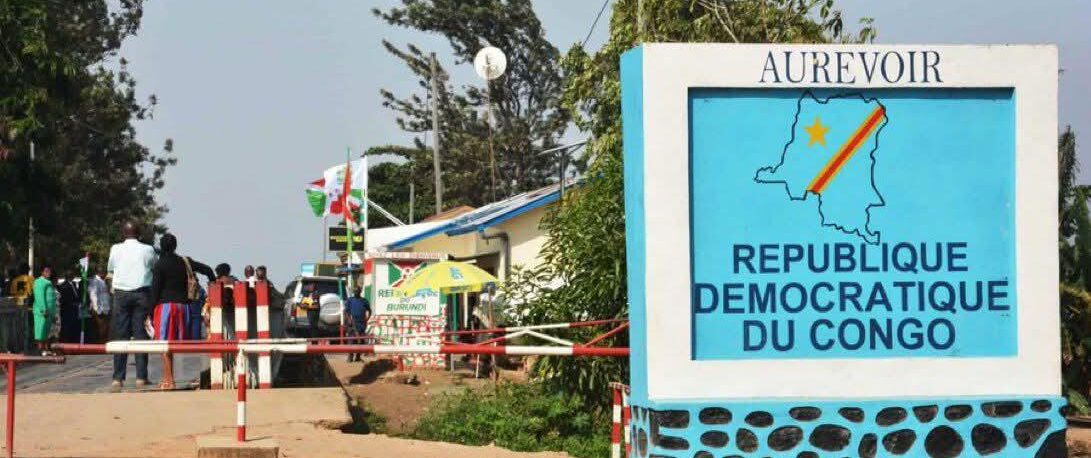
Burundi has closed its main border posts with the Democratic Republic of Congo after the M23, supported by the Rwandan army, entered the strategic town of Uvira, security sources said on Wednesday.

The Gatumba and Vugizo posts have been closed since Tuesday afternoon. "Each post is now considered a military zone," said a Burundian army officer quoted by AFP. Long committed to Kinshasa's side, Burundi has now chosen to withdraw from the conflict to protect its own borders.

The Burundian National Defence Forces (the country's army) had set up one of its most important military bases in Uvira to prevent any rebel breakthrough. But the Burundian army has discreetly left the area, located only about 30 kilometres from its capital. The Burundian authorities now fear a potential advance by the rebels and the Rwandan army into their territory and prefer to take internal measures.

Bujumbura closed its border with the DRC after Uvira was taken by the AFC-#M23. Thousands of civilians are fleeing to Bujumbura, exacerbating the humanitarian crisis. Burundi's border with Rwanda has remained closed since January. The only border open to Burundi is with Tanzania, which exacerbates the situation in the African Great Lakes region, given that Bujumbura, the economic capital, is heavily dependent on imports of basic necessities from the DRC.

The Burundian authorities have not yet made an official statement, but military presence has been reinforced along the border, according to several witnesses in the region.

Written by Akilimali Chomachoma

Uvira: A new strategic town in the hands of the M23, supported by Rwanda

Uvira: A new strategic town in the hands of the M23, supported by Rwanda

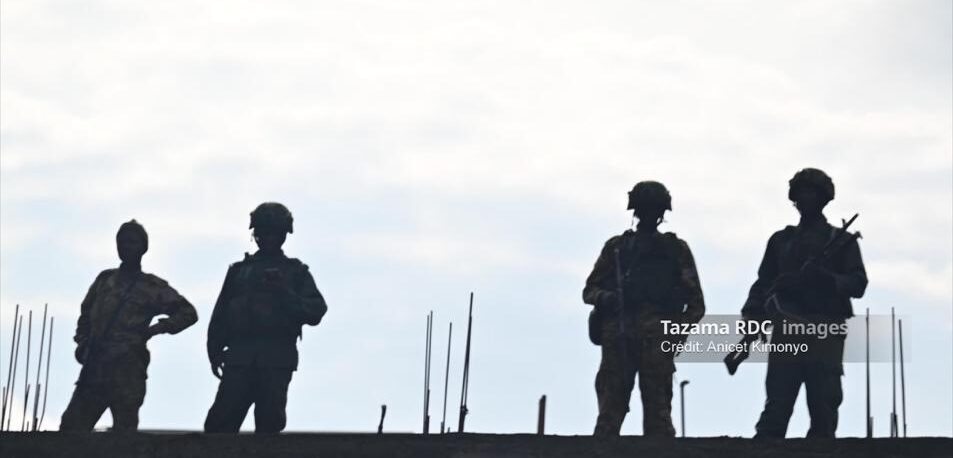
M23 rebels, supported by Rwanda according to several United Nations reports, entered the town of Uvira on Wednesday 10 December 2025, marking a major advance in an increasingly intense conflict in eastern DRC.

The authorities point to the presence of Rwandan special forces and foreign mercenaries operating in flagrant violation of the ceasefire and international agreements in force.

In a special broadcast of "Congolais Telema" on national television RTNC, the Minister of Communication and government spokesperson, Patrick Muyaya, gave an update on the security situation in the east of the country a few hours after the capture of the town of Uvira. "Death machines, kamikaze drones, have been used several times on civilian targets, causing at least a hundred deaths, serious injuries and at least 200,000 displaced persons," he said.

After fleeing Bukavu in the face of the AFC/M23 advance, the provincial authorities of South Kivu were once again forced to abandon Uvira on Tuesday. They retreated to the town of Baraka in Fizi territory, nearly 30km west of Uvira.

"Faced with thousands of deaths and mass displacement, concern is no longer enough. Concrete measures are needed," said Thérèse Kayikwamba Wagner, Congolese Minister of Foreign Affairs.

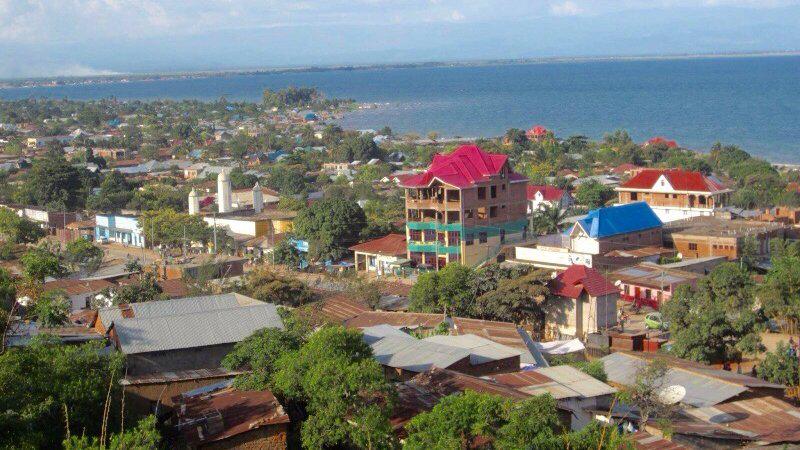
Located on the shores of Lake Tanganyika, Uvira is not a city like any other: it is home to the provincial government appointed by Kinshasa since the fall of Bukavu last February and serves as a strategic base for loyalist forces. Its capture now opens a corridor for the rebels that could take them even further into South Kivu and beyond.

Local sources report that M23 fighters, engaged in a "sweeping" operation in the heart of the city of Uvira, are shooting several young civilians at point-blank range. According to these testimonies, the victims are being executed on the mere suspicion of belonging to the Wazalendo militias that were helping the FARDC.

Written by Akilimali Chomachoma

Cardinal Ambongo reveals the "plot"!

Washington Agreements vs. Reality in Uvira: Cardinal Ambongo reveals the “plot”!


The recent fall of the city of Uvira, in South Kivu province, to rebels from the Alliance Fleuve Congo (AFC)/M23 has reignited tensions and sparked strong reactions among Congolese politicians and civil society. Cardinal Fridolin Ambongo, Archbishop of Kinshasa, at the close of the 15th Plenary Assembly of the Association of Episcopal Conferences of Central Africa (ACEAC) on Sunday 14 December 2025, expressed his indignation at this situation, pointing to the limitations of international peace initiatives which, in his view, exclude the Congolese people and trivialize the plundering of the country's resources.The ACEAC brings together the episcopal conferences of the DRC, Burundi and Rwanda.

An "incomprehensible" fall after the agreements

In a strong statement, Cardinal Ambongo questioned the effectiveness and sincerity of the recent peace agreements signed in Washington between the DRC and Rwanda, under the auspices of the United States. The signing of these agreements last week was intended to restore stability in eastern DRC, but the situation on the ground has not improved, quite the contrary."How can we
understand that less than a week after the ratification of the Washington agreements, the city of Uvira has fallen under occupation?" exclaimed the Catholic prelate.This question echoes criticism that Rwanda, accused of supporting the M23, violated the terms of the agreement almost immediately after it was signed. US officials, including Senator Marco Rubio, also described Rwanda's actions as a "clear violation" of the commitments made to President Trump, who facilitated the signing.

The limits of "exclusive" peace initiatives

Beyond the chronology of events, Cardinal Ambongo criticized the very substance of these peace
initiatives. He sees them as an insidious normalization of the systematic plundering of the natural resources of the DRC, a country rich in minerals but whose population languishes in poverty."How can we fail to see in this collapse the very limitations of agreements and other initiatives that subtly exclude the Congolese people and seek to normalize the systematic plundering of Congo's resources?" he insisted.This statement highlights a sentiment shared by many Congolese: international negotiations often fail to take into account the deep aspirations of the Congolese people and to guarantee their sovereignty and territorial integrity.

Written by Azarias Mokonzi