Bukavu: At Least 27 Dead in a Massive Fire in the Buholo-Kasha Neighborhood

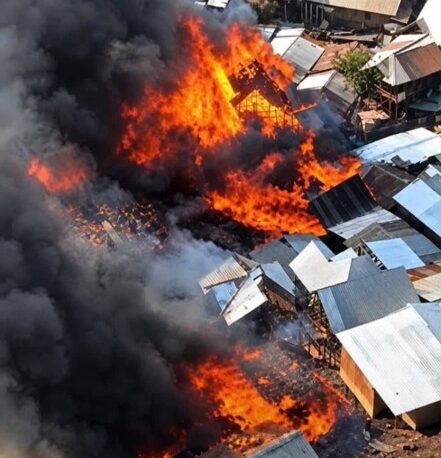
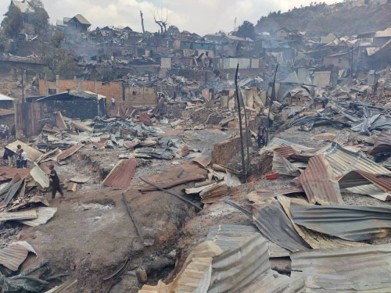
At least 27 people, mostly students, lost their lives in a massive fire that broke out on the morning of Thursday, September 10, 2026, on Kasheke 3 Avenue in the Buholo-Kasha neighborhood, in the Bagira commune of Bukavu.

However, the death toll remains preliminary. Several other people were injured or are in critical condition as a result of the fire, which broke out around 8 a.m. and caused significant property damage in less than an hour, according to the head of the Buholo-Kasha neighborhood, Mugaruka Buduge Patrice.

More than 500 homes were reduced to ashes. Other homes were also destroyed to prevent the flames from spreading.

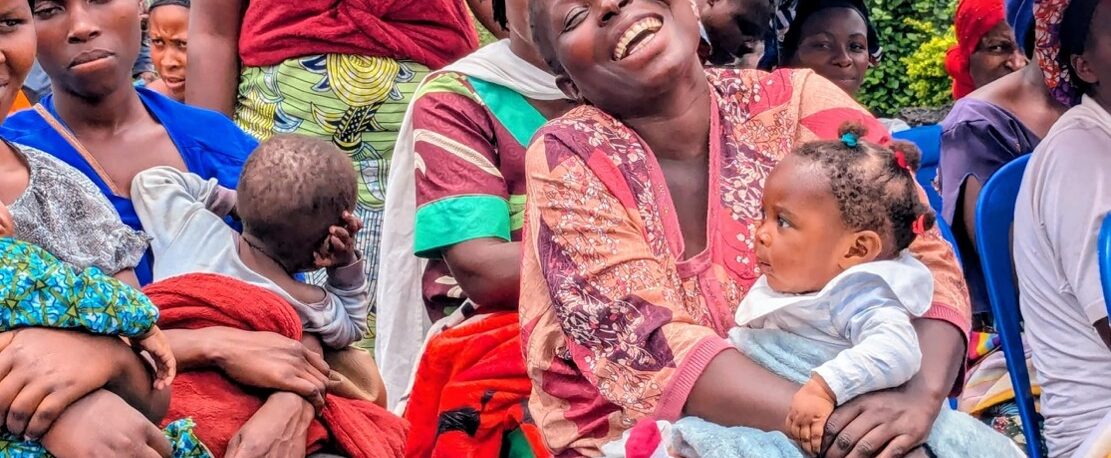
Around 11:15 a.m., witnesses reported that several hundred residents—including those affected by the disaster and women who had lost their children and belongings—were in a state of deep distress. Some, with their hands on their cheeks and tears in their eyes, were still trying to grasp the magnitude of the disaster.

Two schools were among the affected buildings, namely Mogo Elementary School and Furaha School. These schools were completely devastated by the flames.

Witness accounts add that students who were inside these schools were caught off guard by the fire. In the ensuing stampede, several of them suffocated, while others were injured, according to one witness.

Residents rallied to try to rescue the victims from the flames. Several people, already severely weakened, were transported to health facilities to receive emergency care. However, dozens of them did not survive, according to the head of the Buholo-Kasha neighborhood, as cited by multiple sources.

As of 3:00 p.m. on Thursday, September 10, at least 27 bodies had been recovered and were being transported to the morgue by ambulances deployed for this operation. Other students are reportedly in a coma, while several injured individuals continue to receive treatment at healthcare facilities.

Meanwhile, several parents were searching the streets for their children, some of whom were no longer responding to their calls.

For those affected, this disaster represents the loss of several years of hard work and savings, as well as the tragic loss of their children. They are appealing to the authorities and people of goodwill to provide them with assistance.

As night falls, the affected families are preparing to spend their first night under the open sky, far from their homes, while coping with the loss of their loved ones who perished in this disaster.

Written by Akilimali Chomachoma

Education: A school year reopening that risks exacerbating the Ebola epidemic in affected areas

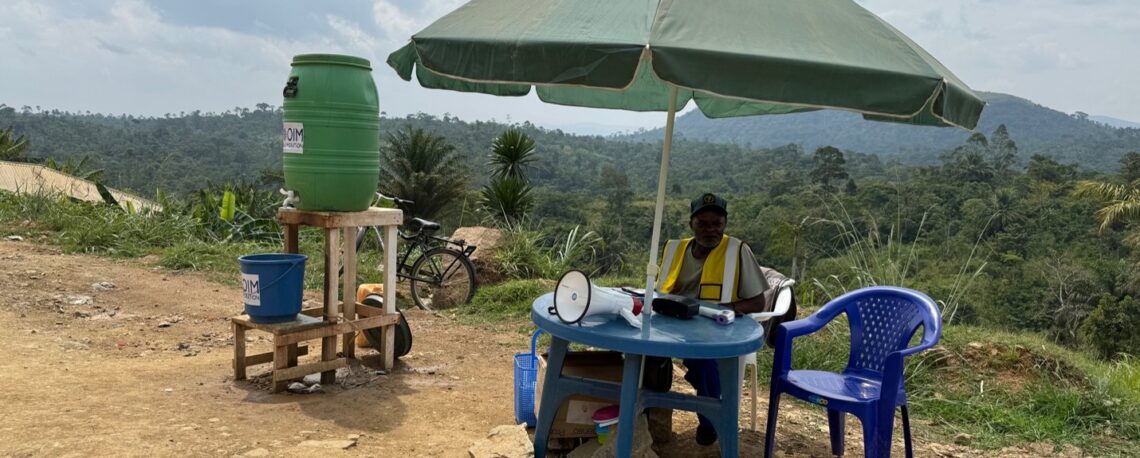
Confusion reigns 48 hours before the start of the 2026–2027 school year in provinces affected by the Ebola virus disease in the Democratic Republic of the Congo. The government, NGOs, and other stakeholders within education and primary and secondary schooling continue to contradict one another regarding the strategy to adopt concerning the protection of children during this epidemic period.

------

With the Ebola virus disease officially declared on May 15, at a time when children were in the middle of completing exams for the previous school year, the start of this school year will be an additional test in the fight against the Ebola virus disease—a struggle that has already become further complicated and whose response efforts lack consensus.

While NGOs such as Africa CDC maintain that sanitizers and other tools should be provided to children so they can study properly, other organizations, on the other hand, support the idea of splitting classes—especially after the declaration of free primary education, which brought many problems to light and placed a high number of students in a single classroom. Those organizations argue that overcrowded classrooms must be divided into multiple classes.

A few days earlier, the Minister of Primary and Secondary Education, alongside the Minister of Health, jointly hosted a press conference in Kinshasa where they explained that learning would take place remotely in the most severely affected regions. So far, no module, technical expertise, or material has been made available to make this operation possible and feasible.

The connectivity in this region could intermittently block online education, as proposed. Moreover, access to an internet connection is extremely expensive for families already devastated by the Ebola virus disease and preceding conflicts in the region.

Even access to radio is all the more difficult given that, for certain regions, people must get information through word-of-mouth channels, or communication is conducted via letters or travel to locations with a proper connection. Telephone network coverage is virtually nonexistent and unavailable in the area.

When contacted, an official from a primary school in the city of Bunia indicated that they have not yet received any guidance whatsoever regarding the opening of this school year. Nor have they received any materials capable of helping to adhere to barrier measures or other actions that could curb the spread of the Ebola virus disease.

Wait and see Written by Akilimali Saleh Chomachoma

Kahuzi-Biega National Park threatened by bushfires

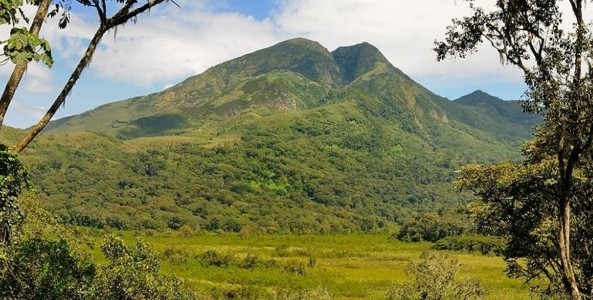
Bushfires have been spreading since Sunday 30 August 2026 on a mountain overlooking Nyabibwe, along National Road No. 2 (RN2), in the territory of Kalehe, South Kivu, more than 200 kilometers from Bukavu, according to an alert issued by the organization Écologistes RDC.

Despite the mobilization of young people in an attempt to limit the spread of the flames, the situation is reportedly worsening due to a lack of resources to tackle the fire, according to this environmental organization.

The spread of the fires is causing concern amongst environmental groups, particularly given the proximity to areas already affected by disasters linked to landslides. Écologistes RDC specifically mentions the Bushushu-Nyamukubi area, which was hit in May 2023 by torrential rain and landslides that left several hundred people dead and many missing.

At this stage, the cause of the fires is not yet known.

According to the Honorable Prince Kuhangi, the situation could also have consequences in North Kivu if no action is taken to contain the flames. He believes that their spread could contribute to the degradation of natural resources in a region already facing deforestation and other pressures on ecosystems.

Environmentalists in the DRC are particularly concerned that the fire could reach the Bakano area, in the Walikale chiefdom, in North Kivu.

These fires come after another bush fire had already been reported a few months earlier in Kahuzi-Biega National Park, a protected area listed as a UNESCO World Heritage Site.

The situation also comes around nine months after the park was closed to the public due to the deteriorating security situation in the region. This closure is complicating monitoring and conservation activities, whilst the park remains exposed to various pressures on its natural resources.

Written by Victoire Katembo Mbuto

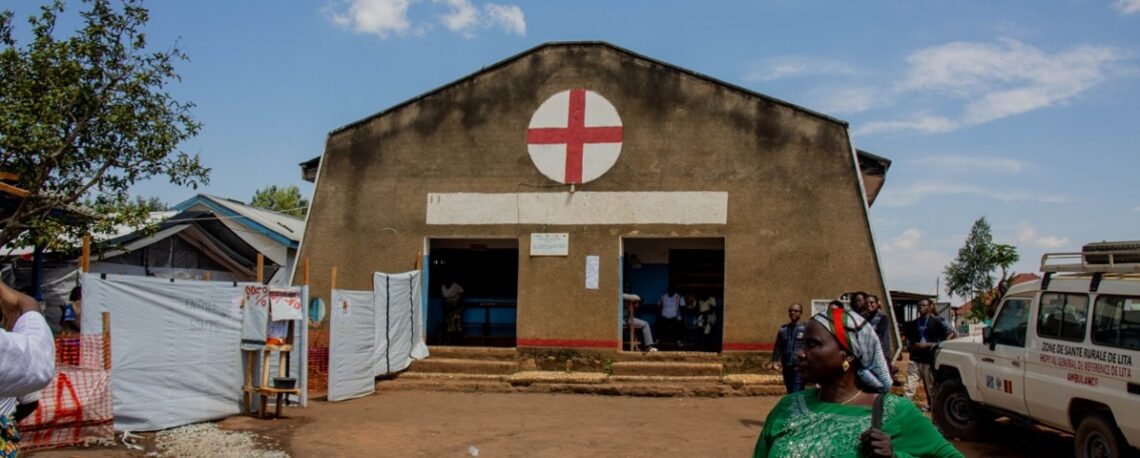
Lita: Several Efforts to Combat Ebola Underway

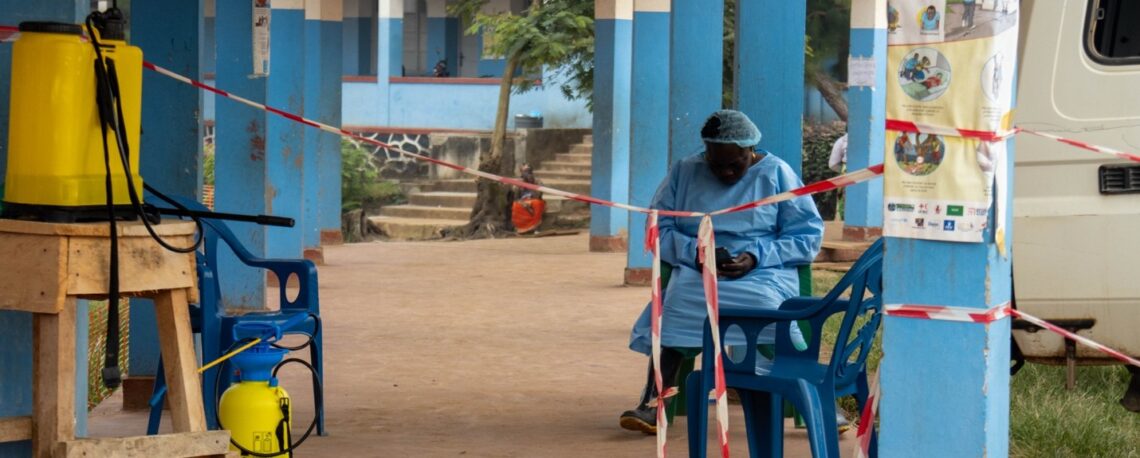
The response to the Ebola virus disease continues in Ituri Province, a region severely affected by the outbreak. This is particularly true in the Lita health zone, which has been recording approximately 4 to 5 cases per day since the start of the outbreak, according to data from the zone’s chief medical officer. While steps have been taken, much remains to be done to eradicate this outbreak.

-----

Located in Djugu territory—an area ravaged by decades of armed conflict—this region lacks almost everything: water, electricity, and food. It also has at least four camps for internally displaced persons.

Since May 18, when the first case was reported in Lita, the disease has spread like wildfire in this part of the Democratic Republic of the Congo. Patience-Pacifique Lokengama, chief medical officer of the Lita health zone, has been leading this health zone for several years; tackling this outbreak has become his primary mission.

“The Ebola epidemic is, after all, an epidemic that frightens everyone. Since it is a serious disease, the population is absolutely right to be afraid to seek medical care. And yet, we know that the sooner we seek treatment, the better our chances of recovery and of living the rest of our lives,” says the chief medical officer of the Lita health zone.

The region is heavily controlled by armed groups searching for gold and is plagued by interethnic conflicts, which further complicates the care of patients. Several organizations, including the WHO, are working to address the challenges facing the Lita health zone.

Local healthcare workers are striving to respond as actively as possible. “As the number of patients increases, the care teams are constantly adapting their organization to continue providing quality care despite the growing pressure on treatment facilities,” says a nurse at the hospital.

The center has also been gradually equipped with medical supplies designed to improve the quality of care, particularly for patients whose condition requires closer monitoring. Professor Thierno Baldé is in charge of the World Health Organization’s response operation in the DRC. He notes that “the WHO has provided medical equipment, oxygen concentrators, and monitors to help facilitate this care capacity.”

According to official data from the National Institute of Public Health, the Lita health zone has already recorded approximately 240 confirmed cases, including 121 deaths. The remaining deaths occurred within families, and laboratory tests on samples from these cases came back positive. According to several local sources, this figure is likely significantly underestimated, as some families do not report deaths to the health zone and do not have samples tested.

To address these needs, several international organizations, coordinated by the WHO, are carrying out operations on the ground:  The WFP is building warehouses; MONUSCO has set up two laboratories; and the WHO, in collaboration with ALIMA, is constructing an Ebola treatment center capable of accommodating more than 80 patients.

Despite these efforts, many challenges remain, particularly regarding community awareness. “We are already working to address the issue of community reintegration with the support of cash assistance and dry food rations. As for the issue of community resistance stemming from misinformation,” acknowledges Dr. Patience-Pacifique.

“We are focusing on humanizing care. By humanizing care, we ensure that when a patient is admitted to the CTE, they are in contact with a healthcare professional with whom they can relate. We want the patient to feel comfortable having their basic needs met, particularly eating well according to their tastes and cultural preferences,” she says.

Professor Thierno added that efforts are underway. “It’s just that the scale of the virus is so vast; I think we need to get that message across. In other words, people are really working hard, going above and beyond, and doing the very best they can.”

The biggest problem in the Lita area remains the timely referral of patients and community-based case detection. So far, several approaches to engage the community have not been successful. To address this, “we’re implementing a community-based approach, specifically one that involves reaching out to the village chief,” says Dr. Patience-Pacifique. “This is truly a major asset that allows us to reach the very last person who can help turn the tide. So, the village chief, the ten households, the youth leaders, and the women’s associations—we’re working with all of them,”

As part of her new approach, the chief medical officer at Lita Hospital is currently recruiting people who have recovered from Ebola and are willing to raise public awareness about treatments and explain that admission to a treatment center does not mean certain death.

Written by Akilimali Chomachoma, reporting from Lita, Ituri

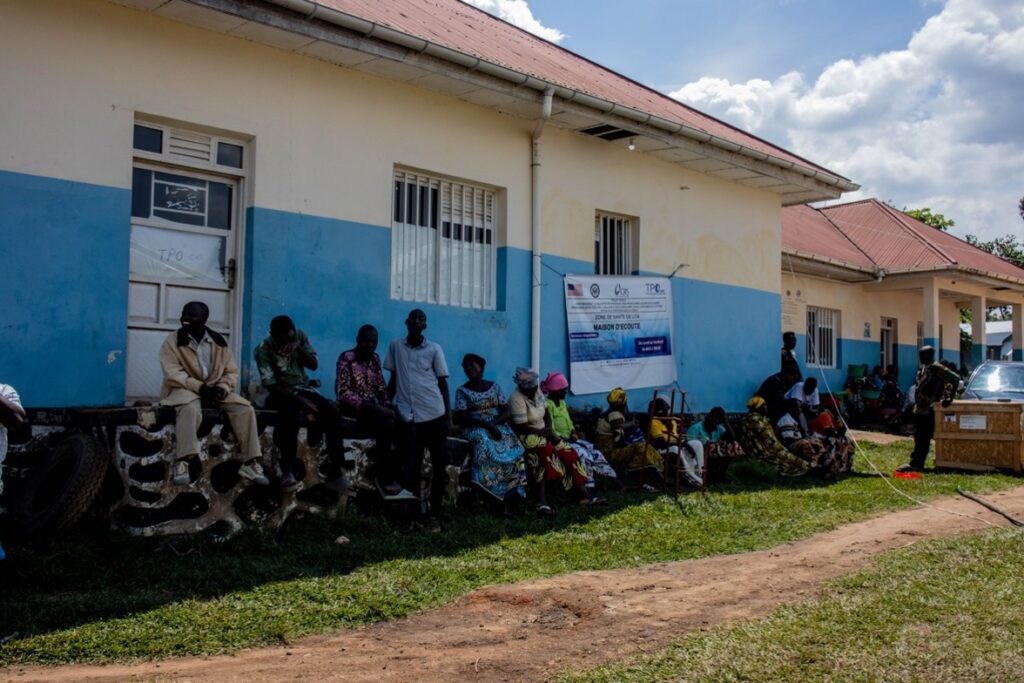
Caption: People waiting for medical and psychological consultations at Lita Hospital. Photo by Akilimali Chomachoma
People waiting for medical and psychological consultations at Lita Hospital. Photo by Akilimali Chomachoma

North Kivu: The AFC-M23 imposes a mandatory 2% tax on the salaries of health care workers in Masisi

Dictatorial abuses and financial extortion are intensifying in areas under the control of the AFC-M23 rebellion. After undermining the education system by suspending free education, the rebel movement is now targeting the medical sector.

In the Masisi health zone, every member of the medical and administrative staff is now forced to pay 2 percent of their salary to the movement. According to several consistent accounts gathered directly from local sources, this forced levy is presented by the rebels as a so-called “contribution by health facilities toward their own operations.”

To enforce this measure, the M23 is exploiting the local medical hierarchy, entrusting the burdensome task of collecting funds to registered nurses as well as to the Health Infrastructure Management Administrators (AGIS).

The way this tax is enforced borders on organized extortion. All employees, without exception—from the medical director down to the security guard—are required to make an advance payment covering a three-month period. To do so, the rebels demand the use of the Airtel Money mobile payment platform.

In the face of this fraudulent system, dissent is not tolerated. No fewer than 15 sources from various healthcare facilities in Masisi confirm the climate of terror that has been established: any refusal or delay in payment exposes employees to severe reprisals, ranging from immediate expulsion from their workplace to imprisonment for “disobeying the movement’s orders.”

This suffocating financial pressure exerted on healthcare workers stands in stark contrast to the attitude of the authorities in Kinshasa.

While the AFC-M23 is plundering the meager incomes of public servants, the Congolese government, for its part, continues to fulfill its constitutional obligations.

Despite the complex security situation and the territorial control exercised by the rebels, the central government maintains its logistical and financial support for health facilities in Masisi. The Republic’s objective remains unchanged: to guarantee access to quality health care for civilian populations held hostage by the conflict, reaffirming the state’s presence through public service, even in the heart of occupied areas.

Written by Azarias Mokonzi

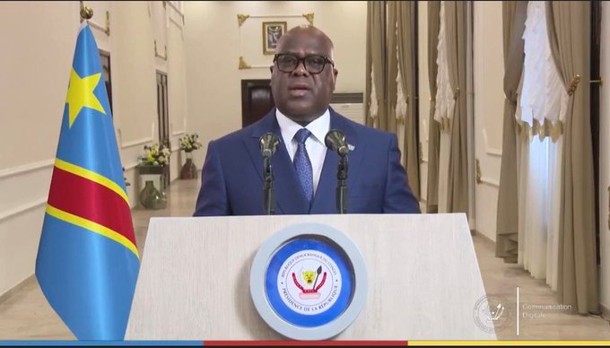
DRC: Félix Tshisekedi launches the national dialogue process

In a speech broadcast live on National Radio and Television, the President of the DRC addressed the nation. He officially launched the national dialogue so eagerly awaited by both civil society and the opposition, termed the "national dialogue for peace, cohesion, and the refounding of the State." While this news eases tensions, several questions are emerging regarding its format, intentions, and timelines.

Written by Akilimali Chomachoma

“The ambition of this dialogue is clear: to enable the Congolese people to no longer merely respond to the successive manifestations of our crises, but to finally address their underlying causes. To achieve this, we must cease envisioning the future of the Republic solely through the prism of our political affiliations, our ideological rivalries, and our community sensitivities. The supreme interest of the Nation must prevail over any other consideration. “said the President of the Republic.

No rebellion in the current dialogue process

“No one can claim to sit at the table of the nation while taking up arms against it,” he stated in his speech, before continuing that “no weapon will confer upon its holder a right superior to that which suffrage recognizes for the citizen. No military conquest can be converted into political legitimacy.”

“Therefore, those who, at the opening of the process, are fighting through arms against the constitutional order, forcibly occupying a part of the national territory, illegally administering entities of the Republic, or acting in the service of a foreign power—in this case, Rwanda—will not be able to participate in this dialogue,” he added on this point.

This was before clarifying that the Luanda process, changed into the Doha dialogue in Qatar, remains the appropriate framework to deal with the AFC-M23 regarding issues related to the cessation of hostilities.

The AFC-M23 is a politico-military movement supported by Rwanda operating in the east of the Democratic Republic of the Congo. With the assistance of Rwandan army troops, this movement currently controls the cities of Goma and Bukavu as well as several territories in the provinces of North and South Kivu.

The Head of State calls upon political, social, and religious actors for calm, the rejection of hate speech, and the defense of the supreme interest of the Republic. He also urges the Congolese youth to take their full place in this process. Finally, Félix Tshisekedi requests "firm and constant" support from international partners—notably the United States, Qatar, the African Union, and the European Union—to support the Washington and Doha processes, the withdrawal of Rwandan troops, and the disarmament of the M23.

A format from the local to the national level

According to the current format, the dialogues will take place only in the Democratic Republic of the Congo and not on foreign territories.

“This national dialogue will be distinguished first and foremost by its territorial anchoring. It will not begin in Kinshasa, but at the heart of our 26 provinces, our territories, and our communities. Furthermore, these dialogues will begin from the local level up to the national level. First, stakeholders will meet locally to constitute themselves and speak in a sort of provincial dialogue. Then, the recommendations will be escalated to the national level where the national dialogue will be held.

The entire process will be limited to a maximum duration of 3 months, according to the President of the Republic.

Prior to the national proceedings, a broad political and technical consultation will be organized in each province. Preliminary forums will gather at the provincial capital the populations, local authorities, national deputies and elected senators of the province, representatives of decentralized and deconcentrated territorial entities, political parties and groupings of both the majority and the opposition, civil society, customary authorities, religious denominations, as well as professional, economic, academic, and scientific circles,”he indicated.

The President of the Republic indicated that several commissions will be created to mechanize the dialogue, but he did not specify what kind of actors should compose these commissions.

Easing of the political climate

Tensions have been on the agenda for several months in the DRC. Plunged into the current majority's intention to change the constitution to allow a third term for Félix Tshisekedi, several demonstrations have been organized. Several opposition figures, including Nathanael Onokomba Shako, find themselves in prison, while others have had their passports confiscated or not renewed. The President of the Republic commits to making gestures capable of creating a favorable climate for dialogue.

“In the spirit of responsibility and national concord guiding this approach, I will personally ensure that, in strict compliance with the laws of the Republic and the requirements of civil peace, the conditions of security and trust necessary for the return and participation of those of our compatriots whom the trials of our recent history have led, for various reasons, to stand on the margins of national unity are met,” said the Head of State.

Tshisekedi does not give up on changing the constitution

What the President of the Republic did not address is notably the question of guaranteeing that the results of this dialogue will not lead to a change of the Constitution. The terms "reform" and "refounding of the State"—which often, in Congo, tend to suggest the idea of a change of the Constitution—were repeatedly used in the speech of the Head of State of the Democratic Republic of the Congo.

Yet, this is one of the major points of discord between the ruling majority led by the Sacred Union and the opposition in the Democratic Republic of the Congo, civil society, as well as religious denominations—notably the ECC and CENCO—which oppose any idea of changing the Constitution so that the president can reset the clock to zero and thus run beyond his second and final term provided for by the current Constitution in 2028.

Written by Akilimali Chomachoma

North Kivu an awareness campaign on breastfeeding in Rusayo

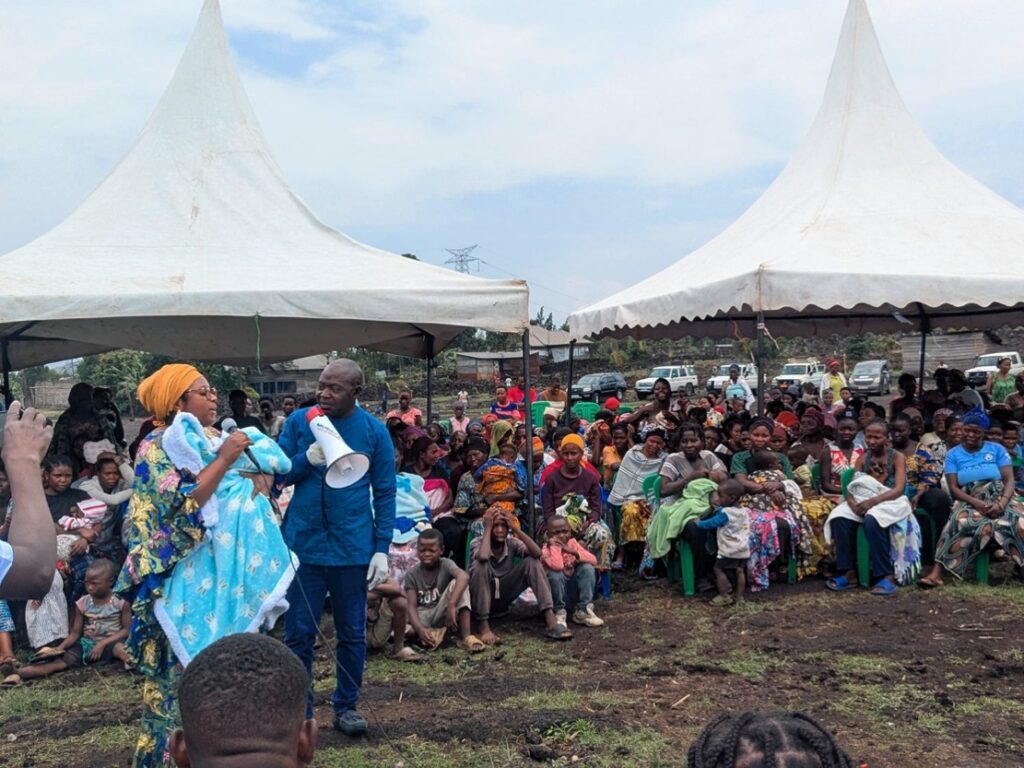
World Breastfeeding Week (WBW) 2026 was launched on 25 August in Rusayo, in Nyiragongo Territory, on the western outskirts of the city of Goma. The event is organized by the North Kivu Provincial Health Division (DPS).

Under the theme ‘Breastfeeding: a springboard for life – supporting and strengthening what works’, the campaign aims to strengthen initiatives promoting breastfeeding and to inform mothers and families about issues relating to infant health and nutrition.

The topics covered during the campaign focus in particular on exclusive breastfeeding during the first six months of life. According to health professionals, breast milk provides infants with the nutrients and water necessary for their growth and development. During this period, it is generally not necessary to give additional water, even during periods of extreme heat, unless medically advised.

Healthcare professionals also point out that breastfeeding can help with birth spacing when the conditions for the lactation amenorrhea method (LAM) are met. They further state that breastfeeding is recommended until the age of two or beyond, alongside an appropriate diet from six months onwards.

The issue of using breast milk to treat certain eye conditions in infants was also discussed. Although breast milk naturally contains certain components with protective and antimicrobial properties, its use to treat eye problems is not a substitute for medical care.

In the event of persistent redness, discharge, swelling or other eye symptoms in an infant, healthcare professionals recommend seeking medical advice rather than applying breast milk to the eyes without medical guidance.

It should be noted that breastfeeding women in Goma face constraints related to their daily activities. In particular, some have to balance breastfeeding with livelihood activities, notably working with a brush cutter and spending long hours selling goods. These constraints can make it more difficult to continue breastfeeding and raise the question of how to support breastfeeding mothers in their professional and economic activities.

Written by Victoire Katembo Mbuto

Photo caption: Women taking part in a breastfeeding training course in Rusayo, in the Nyiragongo territory. Photos by Silva Kanduki

North Kivu: The Wazalendo Synergy announces the recapture of former ADF strongholds in Lubero

The Wazalendo Synergy of the Grand-Nord Front announced on Friday 21 August 2026 that it had recaptured several historic strongholds of the Islamist terrorist group ADF (Allied Democratic Forces) in the Bapere sector, located in Lubero territory, North Kivu.

According to John Mangaiko, spokesperson for this armed civilian organization, these military successes are the result of offensive operations carried out in close collaboration with the coalition of the Congolese (FARDC) and Ugandan (UPDF) armies.

Several strategic localities formerly under the control of the insurgents, notably Mabuo, Bududiya and Isange, are now under the control of the coalition forces.

“Operations by the Wazalendo Synergy on the Far North Front are going well,” said John Mangaiko. According to the spokesperson, this progress on the security front is already bearing fruit in humanitarian and economic terms. It is enabling the local population to return to their villages and gradually resume their daily activities in the Bapere area.

In response to the accusations regularly levelled at local armed groups, the Synergie des Wazalendo used this statement to categorically deny any involvement of its members in financial or economic malpractice. John Mangaiko firmly denied reports suggesting that the Wazalendo were involved in illegal mining or in creating administrative and traffic obstacles in the recently liberated areas.

“What we do is voluntary work,” he insisted, adding that the small contributions received come spontaneously from some local residents. These donations, he said, are simply a token of appreciation from the local population for the efforts made by these volunteers to secure their communities.

Written by Azarias Mokonzi

Rutshuru: The Kibirizi Health Zone Steps Up Awareness-Raising Following Confirmation Of Anthrax In A Hippopotamus At Vitshumbi

The hippopotamus was found dead on 8 August by an ICCN patrol team in Virunga National Park, according to a health alert issued on Friday 14 August by the Kibirizi rural health zone, which covers the Vitshumbi health area.

Part of the carcass had been taken by local residents before the cause of death could be established. A sample taken from the animal was subsequently analyzed in a laboratory and tested positive for Bacillus anthracis, the bacterium responsible for anthrax.

“A sample taken from a hippopotamus found dead on 8 August (...) was analyzed and the result came back positive for anthrax in the laboratory,” said Muhindo Nzwiri Désiré, chief medical officer of the Kibirizi rural health zone, in the health alert.

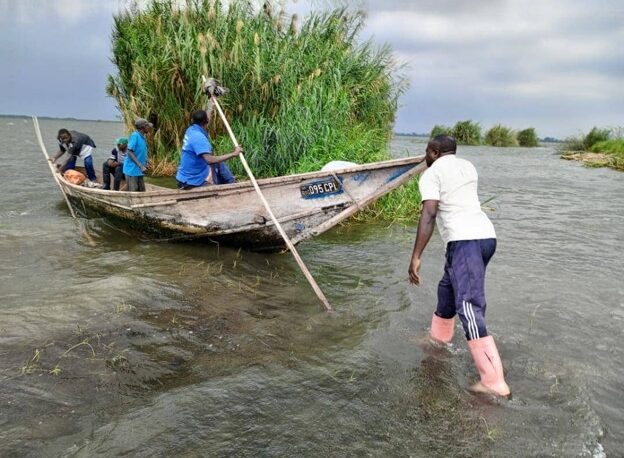
The Kibirizi health zone has stepped up awareness-raising efforts in Vitshumbi, a fishing enclave on the south-western shore of Lake Edward in Virunga National Park, following confirmation of a case of anthrax in a hippopotamus found dead in the area.

A delegation from the health zone travelled to Vitshumbi on Sunday 16 August to raise awareness amongst residents of the risks associated with consuming wild animal meat and to encourage anyone who may have eaten meat from this hippopotamus to come forward voluntarily to a health center for testing.

According to local sources, part of the carcass had been taken and consumed by some residents before tests confirmed the presence of the disease.

However, some residents are reportedly reluctant to undergo testing, for fear of possible prosecution by the nature conservation authorities for alleged poaching.

Officials from the Congolese Institute for Nature Conservation (ICCN) have dismissed these fears and described the initiative as a public health measure. They are encouraging anyone who may have been exposed to contact the health services.

“You shouldn’t wait until someone falls ill to seek medical advice. The key thing is that we are aware of the presence of this disease in our community and that we take the necessary precautions,” explains an ICCN source, speaking on condition of anonymity.

Gentil Mungumwa, a member of the Virunga Elite Youth Organization, is also calling on anyone who has eaten hippopotamus meat to come forward.

“This is not a matter of poaching. They must come forward voluntarily. The matter is in the hands of the medical profession. They must not be afraid,” he says.

According to him, priority must be given to prevention and to the care of those who may have been exposed.

“It has been established that the hippopotamus was found dead as a result of an illness. How can these people be lumped together with poachers? We must avoid focusing on unfounded rumors. It is better to encourage them to go to the nearest health centers to get tested,” he adds.

Churches take action

Awareness-raising efforts also continued in several churches in Vitshumbi on Sunday, during announcements made to the congregation. Religious leaders passed on health information and urged the public to take precautions.

“People tend to be skeptical, but they have been informed. We hope they will protect themselves,” says a religious leader contacted in Vitshumbi.

For some local leaders, disseminating reliable information is now a key priority in order to minimize the risks associated with potential exposure and to encourage those affected to visit healthcare facilities.

Written by Victoire Katembo Mbuto