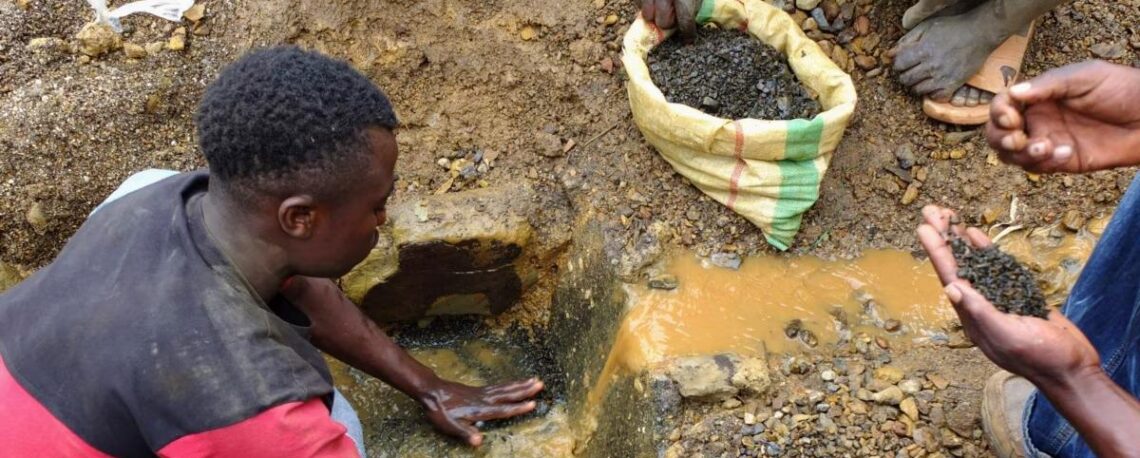
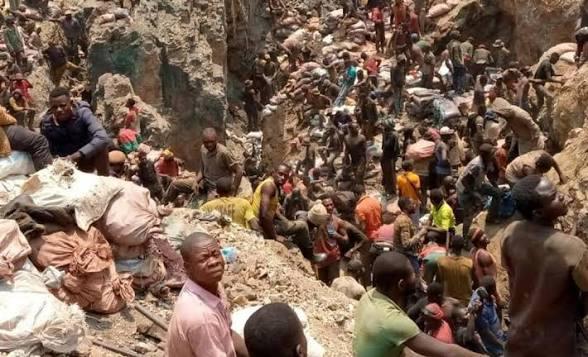
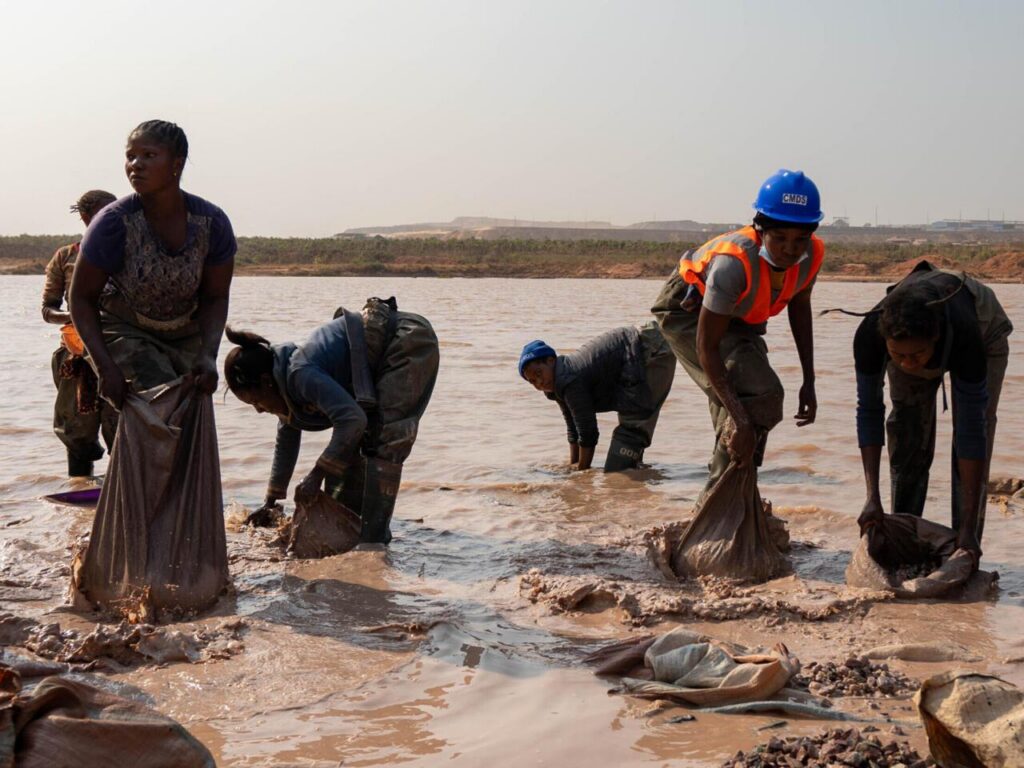
For more than two decades, the illegal exploitation of natural resources has remained one of the main drivers of armed conflict in eastern Democratic Republic of the Congo. Among the most sought-after minerals is coltan, which is essential for the manufacture of mobile phones, computers, electronic equipment and cutting-edge technology.
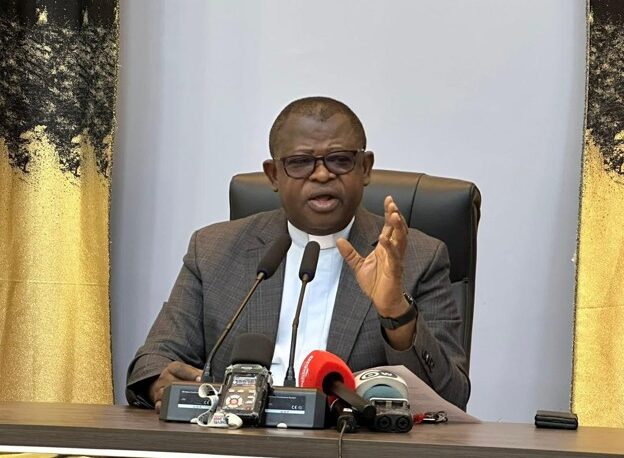
In an interview with RFI, Alex Kopp, a researcher at the NGO Global Witness, argues that international mechanisms for controlling the mineral trade remain largely inadequate to prevent coltan extracted in conflict zones from continuing to fund armed groups, notably the M23.
A supply chain under pressure
For Global Witness, the problem lies not only in the extraction of the mineral, but in the entire international supply chain.
Companies involved in the trading, refining and processing of minerals are, in theory, subject to due diligence obligations requiring them to verify the origin of their supplies and to avoid any purchases that might finance an armed conflict. “Companies along the supply chain can and must improve their due diligence,” says Alex Kopp.
In his view, whenever there is a serious risk regarding the origin of a mineral, buyers should suspend their purchases until all necessary guarantees are in place. However, despite the existence of international certification and traceability mechanisms, criticism persists.
Global Witness believes that certain economic actors continue to rely on monitoring systems that are inadequate or incapable of effectively detecting smuggling routes. “This conflict has been going on for more than twenty-five years, yet multinationals continue to source their supplies from the same commercial networks,” laments the researcher.
For the organization, this situation reflects both the limitations of current mechanisms and the lack of political will on the part of certain economic actors to break definitively with risky supply chains.
Rwanda in Global Witness’s sights
Beyond private companies, the Global Witness report also highlights Rwanda’s role in regional coltan networks.
The organization maintains that significant quantities of minerals extracted from areas under the control of armed groups in the DRC continue to be exported via Rwanda before entering international markets.
Considering this situation, Global Witness is calling on the international community to take stronger action against those involved in these supply chains.
Among the proposals put forward are:
• Strengthening targeted sanctions against M23 leaders.
• Freezing the assets of individuals or companies involved in networks financing the conflict.
• Travel restrictions targeting certain political and military leaders.
• Making certain forms of international assistance conditional on compliance with regional security commitments.
The organization believes that these measures could help to reduce the financial resources available to armed groups operating in eastern DRC.
Cutting off financial flows without neglecting diplomacy
Global Witness believes that drying up the revenue from the illicit coltan trade would be a significant lever for weakening the operational capabilities of armed groups. However, Alex Kopp stresses that a purely security- or economic-based approach will not be enough to resolve the crisis in the long term. “Cutting off this financial link would certainly have a major impact, but the definitive solution will not be found in fighting on the ground,” he believes.
The NGO considers that reducing revenue from conflict minerals must be accompanied by strengthened diplomatic efforts, regional dialogue mechanisms and greater commitment from the international community to peace processes.
A global issue
Beyond the Great Lakes region alone, the coltan issue raises a broader question: that of the responsibility of global supply chains in conflicts linked to natural resources.
As global demand for critical minerals continues to rise driven by the digital and energy transitions, pressure is mounting on companies to ensure credible traceability of their supplies.
For advocates of responsible mining governance, the challenge is now twofold: to prevent strategic minerals from financing armed conflicts and to ensure that their extraction genuinely contributes to the development of communities living in producing regions.
Written by Azarias Mokonzi