Ebola in DR Congo: Awareness-raising in Ituri, growing mistrust in North Kivu

Whilst the province of Ituri is stepping up its awareness-raising efforts to stem the Ebola virus disease outbreak, the situation is taking an alarming turn in the neighboring province of North Kivu. Amidst public mistrust, a lack of official communication and the passivity of the authorities, the health response appears to be completely paralyzed, exposing civilians to an imminent humanitarian crisis.

A failure of communication and engagement:

In North Kivu, the gap between health teams and the population is widening by the day. Community engagement is now deemed insignificant given the gravity of the threat. Local observers point to virtually non-existent response communication and openly accuse the provincial authorities of culpable inaction.

Although new cases continue to be reported in the province, no restrictive measures have yet been imposed to curb the spread of the virus.

On the ground, basic preventive measures are being completely ignored. In markets and schools, preventive measures are being openly flouted. Protective kits and hand-washing stations have all but disappeared. The public transport sector is also ignoring the crisis. Motorcycles and cars continue to carry overloaded passengers, in defiance of the limits set by health protocols.

“The provincial authorities’ failure to take this disease seriously is exposing our people to an imminent danger that many seem to be unaware of. We feel as though the disease has been declared 3,000 kilometers away from here,” laments a local civil society activist bitterly.

Community resistance and violence:

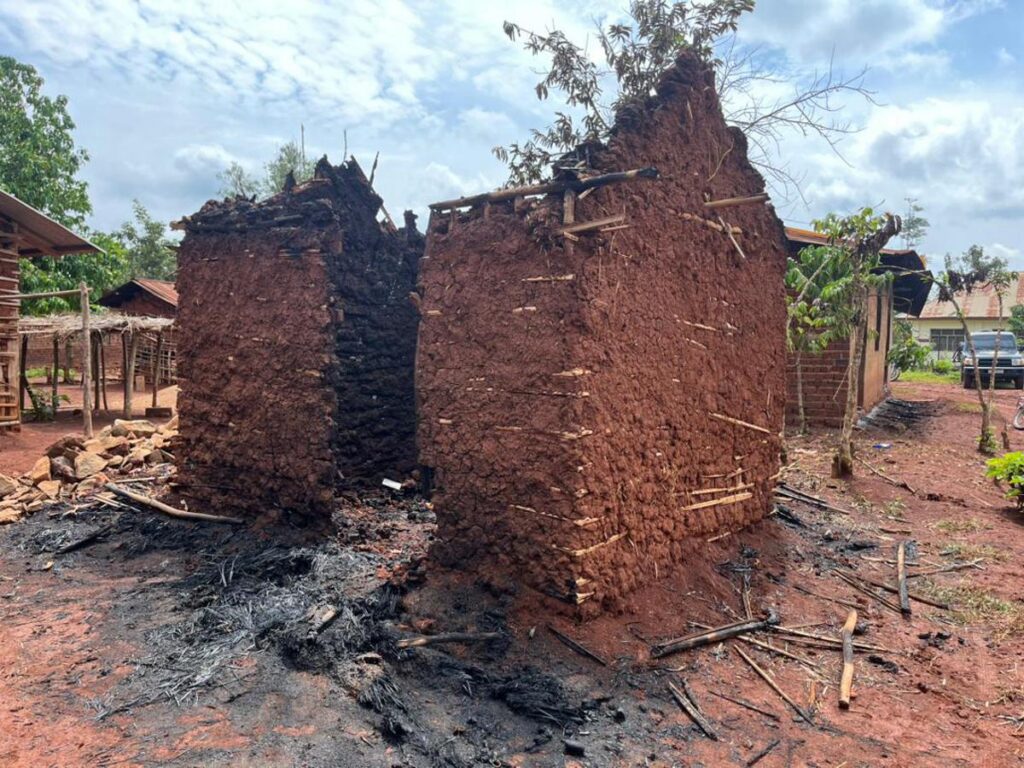
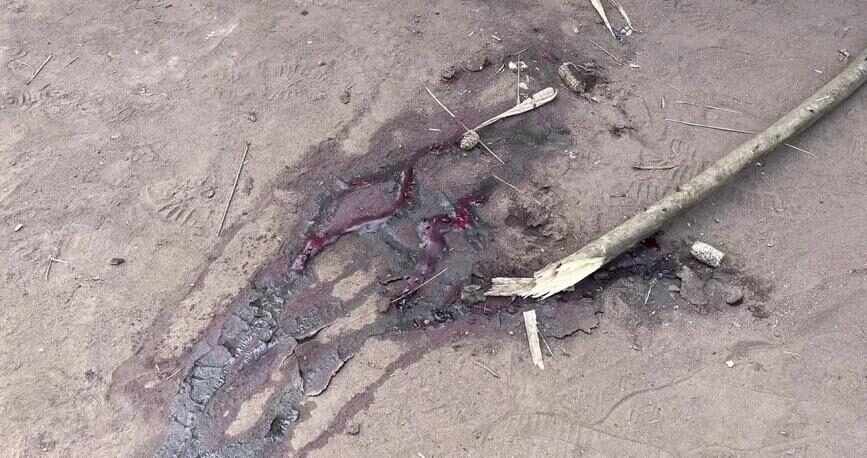
This breakdown of trust in the authorities is fueling increasingly violent resistance in certain areas. Last Friday, the town of Kyondo was the scene of serious tensions. Residents physically attacked health response teams as they were carrying out the safe burial of a person suspected of having died from Ebola.

In the absence of clear and appropriate responses to this health crisis, mistrust is taking root. Unless urgent action is taken to improve communication and enforce strict measures, North Kivu faces the inevitable prospect of a major health disaster.

Written by Azarias Mokonzi
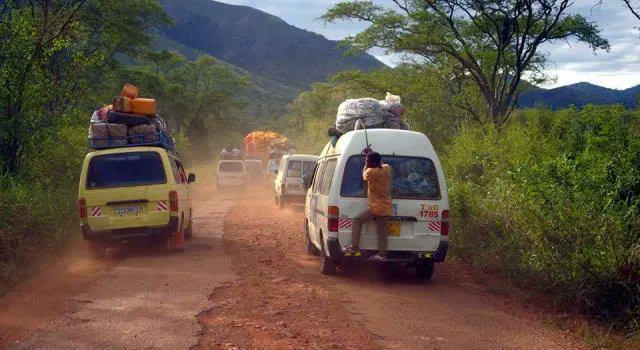
DRC: Passenger transport between Goma and Butembo suspended as part of the Ebola response

DRC: Passenger transport between Goma and Butembo suspended as part of the Ebola response

The provincial government under AFC/M23 has announced the suspension of passenger transport between Goma and Butembo, in North Kivu, as part of measures to combat Ebola.

The decision, made public in a statement on Friday 22 May, comes into effect from Saturday 23 May 2026. It applies to buses and taxis commonly known as ‘Ya leo leo’. The authorities justify this measure on the grounds of the need to limit the risk of inter-city transmission of the Bundibugyo strain of the Ebola virus.

The transport of goods remains permitted, however, with the crew limited to the driver and his assistant. The provincial authorities are calling for the strict enforcement of this measure and are asking the public to cooperate with the relevant authorities.

This restriction comes at a time of severe disruption to travel in eastern DRC. For several months, many travelers have been bypassing the insecurity on National Road 2 by travelling via Rwanda to reach Butembo or Beni.

Since last weekend, the borders between the DRC and Rwanda have also been closed as part of Ebola-related health measures, further exacerbating travel difficulties and hindering cross-border trade.

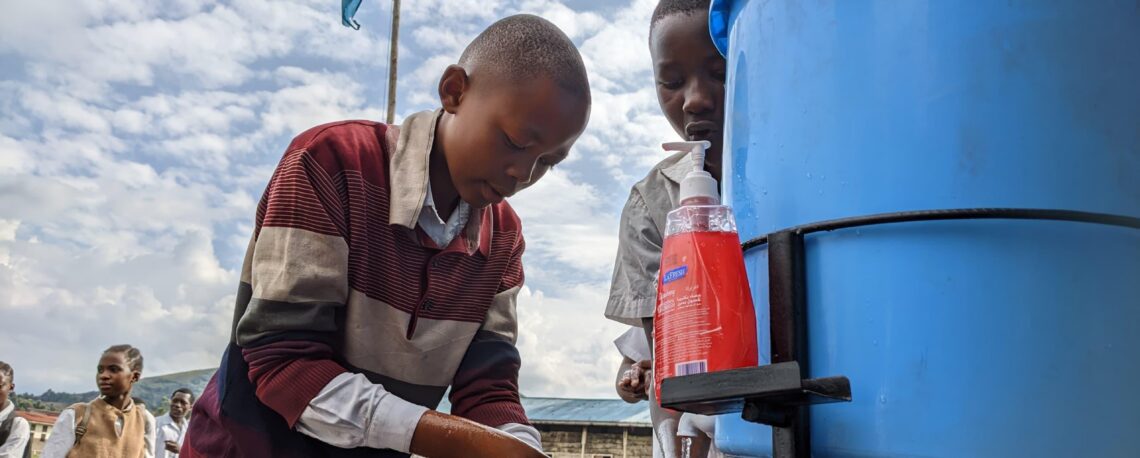
In Goma, several handwashing and health screening facilities have been set up at strategic locations, notably at the entrance to the Nyiragongo territory, in certain healthcare facilities and schools. Despite these measures, the population is expressing concerns about the socio-economic consequences of these restrictions.

Furthermore, since the AFC/M23 took control of Goma, the city’s banks and airport have remained closed, putting further strain on the local economy and residents’ ability to move around.

As a reminder, one confirmed case of Ebola has been reported in Goma since the resurgence of the disease.

Written by Victoire Katembo Mbuto

Funding of ADF terrorist operations: racketeering, illegal taxation and gold trafficking in the Bapere area [Investigation]

Funding of ADF terrorist operations: racketeering, illegal taxation and gold trafficking in the Bapere area [Investigation]

On Tuesday 19 May 2026, the Armed Forces of the Democratic Republic of the Congo (FARDC) presented a suspected network of collaborators with the Islamist rebels of the Allied Democratic Forces (ADF), accused of participating in the financing of the armed group’s operations through the illegal mining and trafficking of gold in the Bapere sector, Lubero territory, North Kivu.

According to the army, these individuals played a central role in the ADF’s financial logistics, notably through fundraising, the supply of foodstuffs and the organisation of supply routes for the benefit of combatants active in this area.

Alleged head of financial network arrested

At the heart of this network is Agbaluge Keina Freddy, alias ‘Bakobatama’, described as a member of the COMEPA mining cooperative. He was arrested on 24 March 2026 in Buyembo whilst, according to the FARDC, attempting to acquire equipment intended for the Butambisi mining concession.

The army describes him as an alleged financial backer of Abu-Wakas, identified as a senior ADF commander operating in the region.

Lieutenant Marc Elongo, spokesperson for Operation Sukola 1 Grand Nord, outlined the charges against him: “His role was not only to sell gold for this ADF leader, but also to receive funds via mobile money to purchase food and non-food items necessary for the survival of the ADF operating in the Bapere sector, on the banks of the Lindi River. He also recruited other collaborators in the territory of Mambasa, particularly in Muchacha, Nduye, Niania and Badengailo,” he said.

According to the FARDC, Bakobatama was also responsible for imposing a form of illegal taxation on the local population.

The army claims that he persuaded — or forced — the inhabitants of Mabuo, Mapendano and Bududia to pay sums ranging from 10 to 100 US dollars to the ADF. “He was the one who acted as a guide for the ADF from the Bapere forest to the village of Muchacha,” added the military officer.

Local figures also implicated :

The FARDC’s crackdown also highlights the alleged involvement of certain local figures.

Among those arrested is Badose Musole Jean, described as the president of Mabuo’s civil society organisation. He was arrested on 27 March in Manguredjipa. According to the army’s allegations, he was allegedly commissioned by Abu-Wakas to bribe certain officials in Beni.

His alleged mission was to pay 750 US dollars to secure the release of two couriers linked to the ADF, who were arrested whilst transporting a gold tester.

Two women, whose identities have not been revealed, were also arrested for their alleged involvement in this clandestine supply network.

A war economy fuelled by gold:

Through this operation, the FARDC believe they have exposed the existence of a structured system for financing the ADF, relying in particular on small-scale gold mining, the extortion of local populations and clandestine financial networks.

According to the army, these revelations illustrate a persistent reality in eastern DRC: beyond the violence against civilians, several armed groups rely on a veritable war economy in which mineral resources, particularly gold, constitute a major source of funding.

Written by Azarias Mokonzi

Rutshuru: Two Eco-Guards Killed In An Armed Attack In Kamuhororo

Rutshuru: Two Eco-Guards Killed In An Armed Attack In Kamuhororo

The Congolese Institute for Nature Conservation (ICCN) condemned, in a statement issued on the evening of Thursday 21 May 2026, the attack on one of its patrol posts located in Kamuhororo, on the southern shore of Lake Edward, in the territory of Rutshuru, North Kivu.

According to the statement, two eco-guards were killed in the attack, which has been attributed to as yet unidentified armed men. The victims were Kasereka Valyathire Baraka and Munguakonkwa Mihigo Jacques. The patrol post was targeted on Thursday morning.

The ICCN states that this attack comes at a time when protection operations in Virunga National Park are continuing despite the persistent insecurity in the east of the Democratic Republic of the Congo. The institution has offered its condolences to the victims’ families and called for investigations to be launched to identify those responsible for the attack.

The management of Kahuzi-Biega National Park has also offered its condolences to the families of the two eco-ranges who lost their lives.

For several years now, rangers stationed in protected areas in the east of the country have faced repeated attacks by armed groups. According to the ICCN, Virunga National Park has already recorded the deaths of more than 200 rangers over the last twenty years.

At this stage, the perpetrators of this attack have not yet been identified.

Written by Victoire Katembo Mbuto

Health: Cases Of Ebola Reignites Health Concerns In Eastern DRC

Health: Cases Of Ebola Reignites Health Concerns In Eastern DRC

On Saturday 16 May, health authorities announced the confirmation of a case of Ebola virus disease in Goma, a major city in the east of the Democratic Republic of the Congo, a region already weakened by years of armed conflict and humanitarian crises.

According to a statement from the National Institute for Biomedical Research (INRB), the infected person is a woman from Ituri province, where several dozen cases have recently been reported by the World Health Organization (WHO). This province is now considered the epicenter of the resurgence of the epidemic.

The M23 rebel authorities claim to have immediately activated health response mechanisms to prevent the virus from spreading in this strategic city, a commercial and humanitarian hub in eastern Congo. The patient has been placed in isolation and is receiving medical care.

“As soon as this case was confirmed, the provincial authorities, in coordination with the health services and local health facilities, immediately activated the response mechanisms,” states the provincial government’s press release.

At several entry points to the city, particularly in the neighboring territory of Nyiragongo, handwashing facilities and health screening points have been reinstalled, according to local residents interviewed. In some healthcare facilities, the preventive measures are reminiscent of the most critical periods of previous outbreaks that struck North Kivu between 2018 and 2020.

In Beni, another town that has been severely affected by Ebola in the past, the provincial authorities operating under the state of emergency (which report to Kinshasa) have announced a ban on the transport of mortal remains without prior authorization from the health authorities. In Goma, Mayor Désiré Ngabo Kisuba has called on the heads of churches, hotels, shops and bars to step up hygiene measures in their establishments.

Between health vigilance and the challenge of trust:

But beyond the medical response, the authorities face another challenge: the mistrust of a section of the population. Since the announcement of the first cases in Ituri, rumors have been circulating on social media and in certain working-class neighborhoods, where many residents still associate Ebola with a ‘business disease’, fueled, they claim, by international funding linked to health crises.

These are perceptions rejected by health professionals, who fear that such talk could undermine prevention and awareness-raising efforts.

For Trésor Wayitsomaya, a communications specialist, the effectiveness of the response will also depend on the authorities’ ability to re-establish a dialogue of trust with local communities.

In a study on the management of the Covid-19 pandemic in North Kivu, conducted at the University of Nature Conservation and Development in Kasugho, the researcher argues that community media, local leaders and community health workers were not sufficiently involved in awareness campaigns, thereby fuelling resistance among the population.

“Faced with the risk of new health crises in the province, more inclusive and ongoing communication is essential,” he emphasizes, calling for the strengthening of community media and greater involvement of local stakeholders in public health strategies.

In a region where security crises are already hampering access to healthcare, the resurgence of Ebola is bringing back vivid memories of previous outbreaks, which took a heavy toll on communities in eastern DRC.

Written by Victoire Katembo Mbuto

Photo Caption: Two pupils at a school in the Nyiragongo district washing their hands (Photo: Victoire Katembo Mbuto)

At least 80 deaths following an Ebola resurgence in the DRC; Uganda affected

At least 80 deaths following an Ebola resurgence in the DRC; Uganda affected

Just six months after the last outbreak in Kasai was brought under control, the Ebola virus has resurfaced. The Africa CDC confirmed on Friday the emergence of a new outbreak in Ituri. With a provisional death toll of 65 and suspicions of a new viral strain, health authorities fear a major cross-border crisis.

Tests carried out by the National Institute for Biomedical Research have detected the Ebola virus in several samples examined.

On the ground, the speed of transmission is causing great concern among epidemiologists. The epidemiological situation is already reflected in grim figures:

• 246 suspected cases already identified.

• 80 deaths recorded to date.

• 13 positive cases confirmed by the National Institute for Biomedical Research (INRB) in Kinshasa out of 20 samples analyzed.

• 4 deaths formally attributed to the virus in the laboratory.

The epicenter of the virus is in the Mongwalu and Rwampara health zones, areas with high population densities.

Health teams are also reporting suspected cases in the town of Bunia, pending official confirmation. The situation is considered a cause for concern due to the high population density, movements linked to mining activities, and difficulties in accessing certain affected areas.

Dr Jean Kaseya, Director General of Africa CDC, warns of the risk of the crisis spreading regionally: “What is particularly worrying is the high risk of regional spread due to significant population movements between the affected areas and neighboring countries, notably Uganda and South Sudan, combined with insecurity.”

Experts point out that the insecurity in certain parts of Ituri is hampering health interventions, particularly community surveillance and the rapid management of suspected cases. Response teams are, however, working to raise awareness and strengthen monitoring systems.

In fact, the health response will have to be carried out in a war zone. Ituri remains deeply destabilized by the activities of multiple armed groups, including ADF terrorists (affiliated with Islamic State) and local militias such as CODECO and Zaïre. This chronic insecurity leads to constant movements of displaced people, making contact tracing and the isolation of patients extremely complex.

As a reminder, the Ebola virus has a fatality rate that can reach up to 90%. Since its emergence in 1976 on Congolese soil, this disease has claimed the lives of more than 15,000 people across the African continent.

For its part, Uganda has confirmed a case of Ebola caused by the Bundibugyo strain, according to tests carried out at the Wandegeya Laboratories in Kampala.

The confirmed case is a 59-year-old man of Congolese origin who travelled to Uganda for medical treatment. “National and regional task forces have been set up, and a mobile laboratory has been sent to a high-risk region,” the WHO said on Twitter.

Written by Akilimali Chomachoma

The University of Goma raises awareness of sustainable alternatives to agricultural pests

The University of Goma raises awareness of sustainable alternatives to agricultural pests

On Tuesday 12 May 2026, the Department of Agricultural and Environmental Sciences at the University of Goma organized a conference on plant biosecurity and sustainable alternatives to pesticides, in the run-up to International Plant Health Day. Held at the Lac Vert campus, the event brought together students, lecturers and residents of Goma to discuss issues relating to food security and environmental protection.

The focus of the discussions was on combating agricultural pests and pathogens without excessive reliance on chemicals. For Dr Patient Nyibizi, a lecturer and researcher in the Department of Agricultural and Environmental Sciences at the University of Goma, plants remain essential for human and animal nutrition, but their production faces growing threats from insect pests and certain crop diseases. He also warned of the effects of pesticide accumulation in soil and water, which can impair their quality and reduce the biological activity of agricultural land.

The speaker advocated for ‘integrated pest management’, an approach that prioritizes preventive methods over curative chemical treatments. “Certain agricultural practices can sustainably reduce pest attacks, particularly crop combinations and crop rotation, in order to limit soil depletion and the proliferation of pests,” he explained, also highlighting the health risks posed by excessive pesticide use to both producers and consumers.

According to him, certain plants can naturally protect neighboring crops from harmful insects. He also emphasized the role of beneficial insects, particularly natural predators and parasitoids, in pest control. “These insects help protect crops by preying on harmful species. Their presence can be encouraged by certain flowering plants that attract them to the fields,” he said.

During the conference, Dr Patient Nyibizi Gakuru also warned against the use of non-selective insecticides, which he considers a threat to human health, biodiversity and ecosystems. He expressed regret that certain products banned in other regions continue to be sold locally, despite the existence of alternatives considered more sustainable and less harmful to the environment.

Written by Victoire Katembo Mbuto

Bafwasende: Schools closed, mines abandoned, as the ADF threat looms

Bafwasende: Schools closed, mines abandoned, as the ADF threat looms

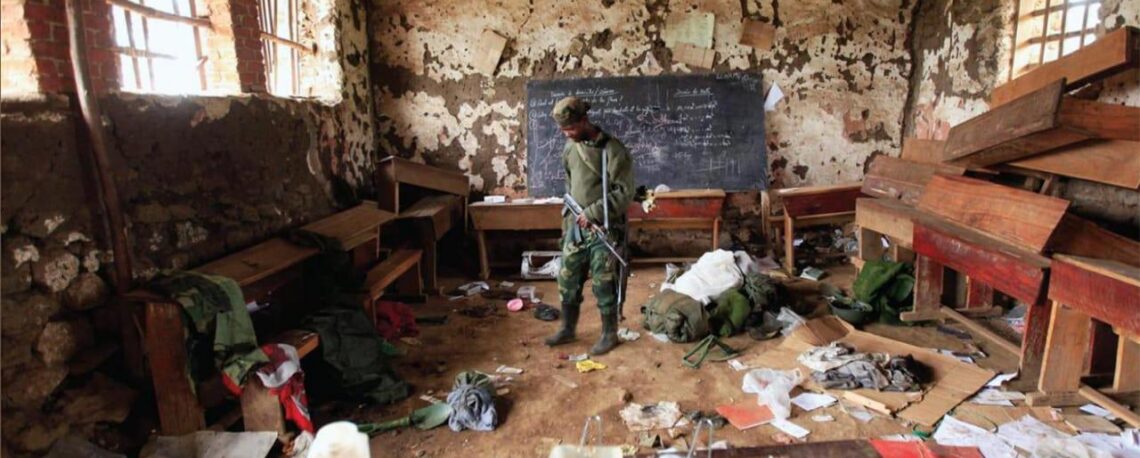
Faced with a resurgence of insecurity in the territory of Bafwasende, in Tshopo province, at least 12 villages have been completely deserted. This situation is due to the proximity of these settlements to areas destabilized by Islamist terrorists from the Allied Democratic Forces (ADF) in the neighboring province of Ituri.

According to provincial MP Typhen Mabikinyambey, who alerted the provincial assembly on Monday 1 June, the ADF have been based for months in the villages of the Badumbisa group, in the territory of Mambasa.

These areas are very close to Tshopo, with which they share nothing but the forest. “The ADF are roaming around there; they feel at ease because there is no pursuit. Despite our complaints, there are still no appropriate responses. The population is fleeing the group. There is a lack of response from national, provincial and local authorities,” lamented the provincial representative.

He adds that schools and health facilities have closed their doors. The Bafwasende MP continues: “Even those who worked in the mining hostels have fled. Life is becoming precarious for the entire population, who are living under threat.”

Faced with this situation, he calls for the urgent launch of military operations to track down these attackers. “When they are hunted down elsewhere, they seek out quiet places. And these hideouts are in the territories of Mambasa and Bafwasende,” explained the MP, before revealing: “They are distributing leaflets. They are releasing survivors carrying threatening letters targeting the territory of Bafwasende and Tshopo province.”

Written by Azarias Mokonzi

Beni: ADF forces cross the RN4 during a military counter-offensive, killing 21 civilians

Beni: ADF forces cross the RN4 during a military counter-offensive, killing 21 civilians

Twenty-one civilians were brutally murdered during the night of Tuesday to Wednesday 3 June 2026 during a simultaneous double attack attributed to terrorists from the Allied Democratic Forces (ADF) in Kitoho and Mbau, two localities in the Beni territory of North Kivu.

Local civil society reports that the attackers operated according to a meticulously planned modus operandi to evade the security forces. Taking advantage of the clashes between the coalition of the Armed Forces of the Democratic Republic of the Congo (FARDC) and the Congolese National Police (PNC), who had arrived to contain the main incursion in Mbau, a second group of rebels crossed National Road No. 4 (RN4). This detachment targeted the area behind the district administrative office to execute civilians.

Eyewitness accounts gathered at the scene describe this operation as an act of deliberate sabotage aimed at defying the police, military and eco-guards deployed in the area. According to residents, the FARDC’s proactive response and counterattack succeeded in repelling the enemy and preventing an even heavier death toll, although police officers are among the victims.

This latest tragedy comes on top of a series of recent killings carried out by the ADF in the Vemba and Ngadi sectors.

In the face of this persistent insecurity, community organizations and local populations are making an urgent appeal to the Congolese government for an immediate strengthening of protective measures and military personnel in order to secure the region in the long term.

Written by Azarias Mokonzi

Kigonze: a camp for internally displaced people lacking basic necessities as the Ebola outbreak spreads

Kigonze: a camp for internally displaced people lacking basic necessities as the Ebola outbreak spreads

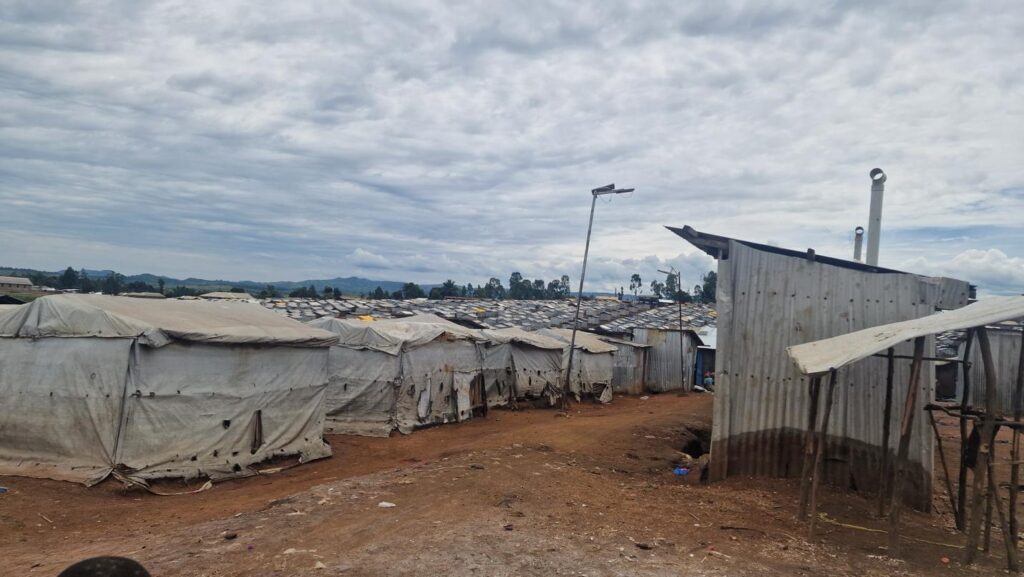
More than 25,000 displaced people are living in the Kigonze camp, which was built in 2018. So far, no cases of Ebola have been reported there, but living conditions in the camp raise fears of the worst. “If Ebola arrives, we’ll be wiped out because we’re crammed in here and there are so many other problems,” said one resident.

There is no approved vaccine or treatment for the Bundibugyo strain of the Ebola virus. An effective response therefore relies above all on rapid detection, infection prevention and community trust. But so far, there has been no aid for the displaced to prevent this disease.

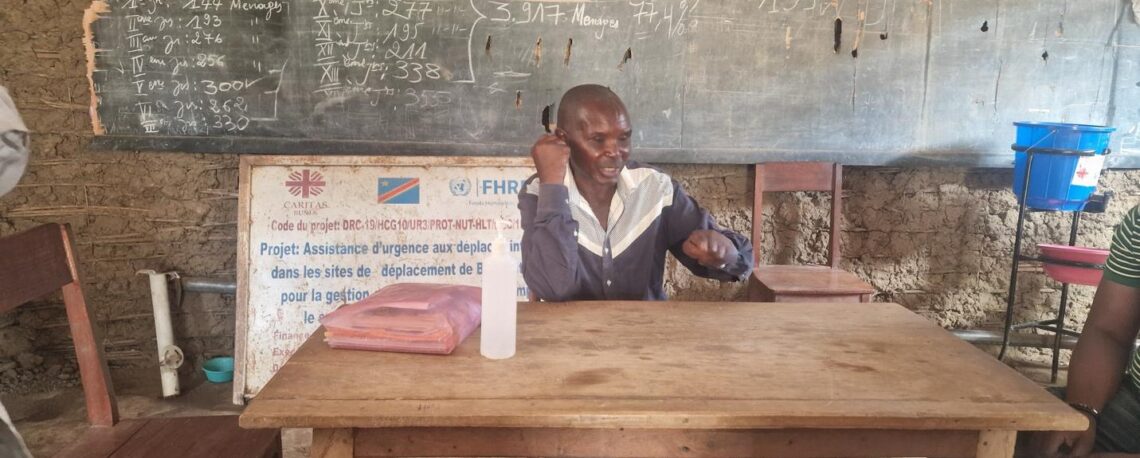
“It has been eight years since our camp received any humanitarian aid. The toilets are full or in poor condition, yet no repairs are being made. Not to mention our tarpaulin shelters – we feel abandoned here,” says Dzudjo Etienne, chair of the Kigonze displaced persons’ committee.

To make ends meet, around 70% of the displaced people at the Kigonze site in Bunia (Ituri) rely on small-scale income-generating activities: farming, small-scale trading, day labor, and so on. These initiatives enable them to provide for their families as best they can. But despite these efforts, their living conditions remain extremely precarious, and thousands of children do not attend school due to a lack of financial means.

A displaced woman, speaking on condition of anonymity, does not hide her distress. “We have ended up here because of security threats against us, and where we are, we face further hardships. We take turns to get water because of the low flow. If this block has water today, the others won’t have any,” she laments. She adds that “if Ebola arrives, we will be wiped out because we are crammed together and facing so many other problems”.

Kigonze is, however, just one example of a camp where an outbreak could have dramatic consequences: Ituri has nearly 61 displacement sites, housing more than 970,000 people, according to the province’s governor, Lieutenant General Johnny Luboya Nkashama, who told AFP on Thursday that he had requested “the deployment, as quickly as possible, of equipment as well as qualified and specialized medical staff”.

According to the statistics, twenty days after the official declaration of the Ebola virus disease, 63 people have died out of 381 cases, representing a case fatality rate of less than 17% in the affected provinces. Dzudjo Etienne hopes that lives in the camps will also be saved through concrete assistance measures, particularly in this area at this time.

Written by Akilimali Chomachoma, in Bunia