Radiological threat in Kolwezi: the new Congolese civil society calls for immediate actions

Radiological threat in Kolwezi: the new Congolese civil society calls for immediate actions

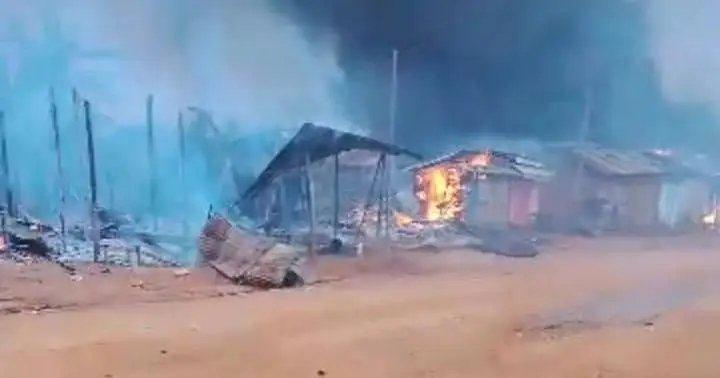
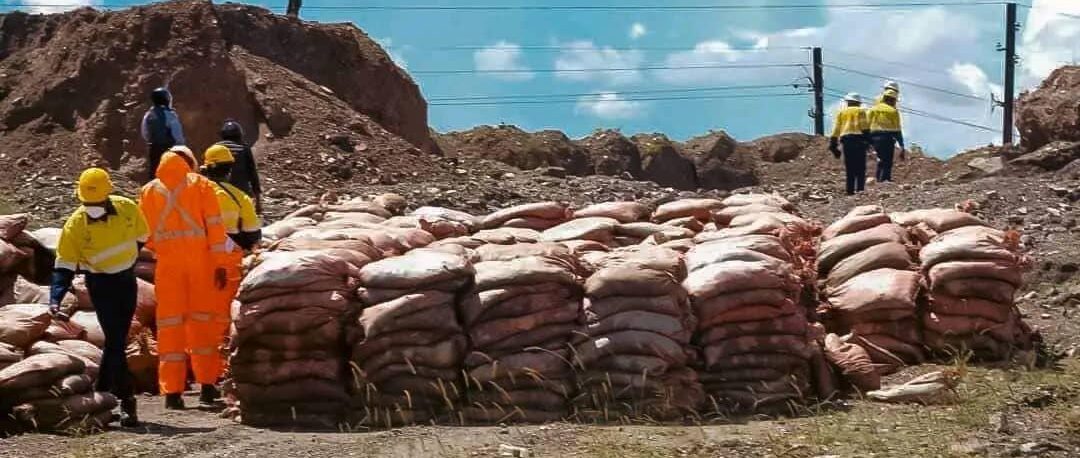
In Kolwezi, in Lualaba province, the discovery of radioactive minerals at the T17 tailings pile, which is mined using artisanal methods, has plunged the region into a radiological emergency with worrying health and environmental implications.

According to the Congolese authorities, the presence of radioactive substances, notably uranium-bearing ores mixed with lead, poses an immediate risk to local communities and artisanal miners. In response, the government claims to have mobilized experts and decontamination equipment to contain the threat and assess the actual level of exposure.

On the ground, the concern is palpable. Artisanal miners, who had previously been mining the tailings, and local residents fear the effects of prolonged exposure. Reports of health problems, including persistent coughing and bleeding, are further fueling anxiety in this mining area.

Meanwhile, the New Congolese Civil Society is calling for a swift and decisive response from the authorities. Its coordinator, Lambert Mende, stresses the urgent need for action to prevent the crisis from worsening.

“First and foremost, the government must secure the site. Secondly, any mining operators on the site must be evacuated immediately, and thirdly, anyone found there must be placed in quarantine,” he said.

For their part, government authorities are attempting to reassure the public. Following a site visit, the Minister for Nuclear Affairs, Marie-Thérèse Sombo, convened an emergency meeting bringing together provincial authorities, mining cooperative leaders, civil society representatives and the Kamoto Copper Company, whose license covers the T17 tailings area.

In an official statement, she assured that safety measures had been put in place, whilst calling on the public to remain vigilant and to strictly follow the instructions issued by the relevant authorities.

On the ground, the management of this radiological emergency appears to be a crucial test for the Congolese authorities, in a region where artisanal mining regularly exposes communities to major risks.

Written by Noé Kalemeko
Rutshuru: Another Armed Attack On The RN2 Near Rumangabo

Rutshuru: Another Armed Attack On The RN2 Near Rumangabo

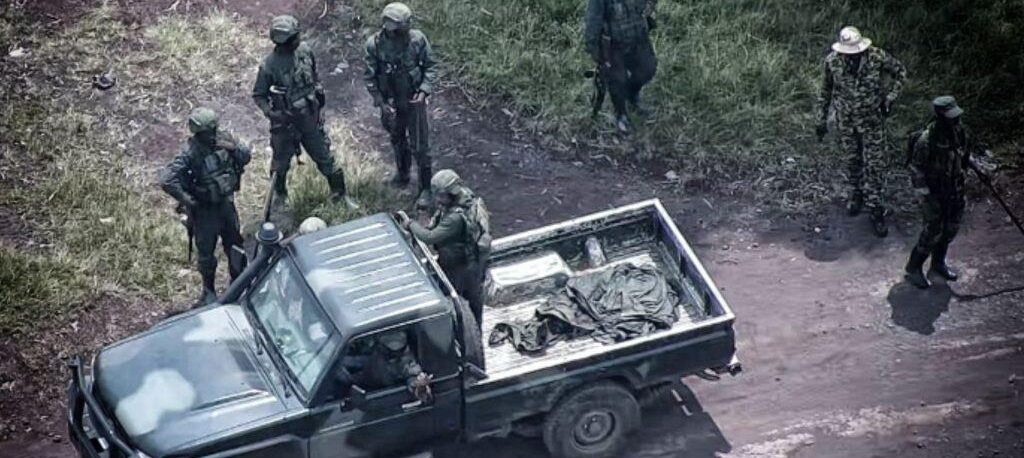
Another attack attributed to armed men was reported on the morning of Monday 23 March 2026 on National Road 2 (RN2), near Rumangabo, in the heart of Virunga National Park.

According to local sources, a public transport vehicle, commonly known as a ‘Ya leo leo’, was targeted by unidentified assailants. The assailants reportedly opened fire on the driver before abducting other passengers.

At this stage, the exact toll of the attack remains unclear. Several passengers are reported missing. A voice message, attributed to one of the victims of this attack, is currently circulating on social media. In the recording, a voice, clearly under duress, appeals for help to their loved ones, asking for urgent intervention.

However, the authenticity of this message has not yet been formally established, and the exact circumstances of its recording remain unknown.

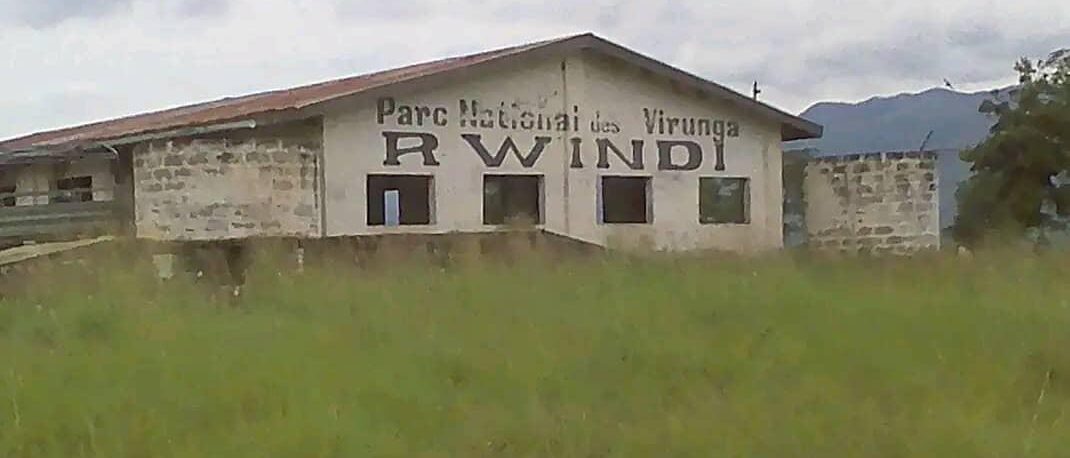
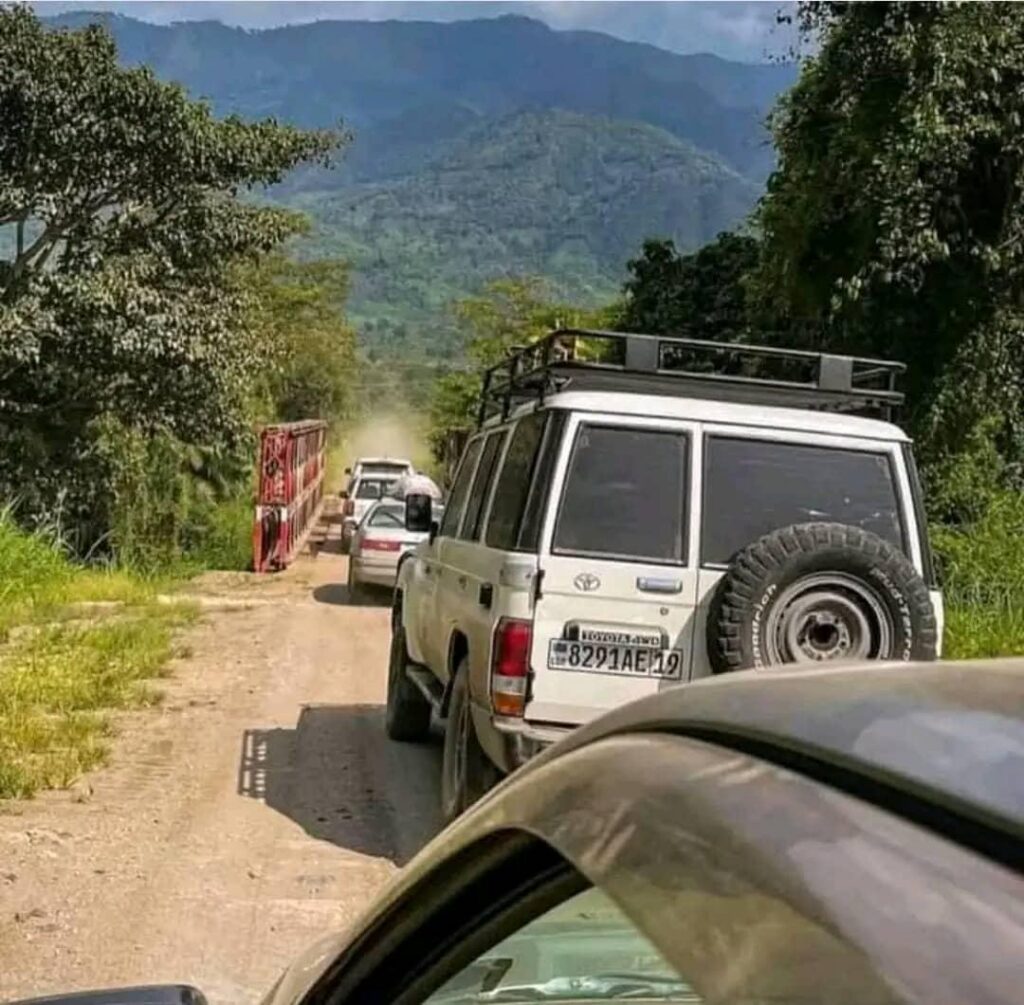
This attack comes against a backdrop of rising insecurity along this strategic route linking the city of Goma to the city of Butembo. Over the past weekend, other similar incidents were reported in the towns of Rwindi and Busendo, also on the RN2.

The perpetrators of these attacks have not yet been identified, and no official statement has been issued by the relevant authorities to date.

According to local sources, a public transport vehicle, commonly known as a ‘Ya leo leo’, was targeted by unidentified assailants. The attackers reportedly opened fire on the driver before abducting other passengers.

At this stage, the exact toll of the attack remains unclear. Several passengers are reported missing. A voice message, attributed to one of the victims of this attack, is currently circulating on social media. In the recording, a voice, clearly under duress, appeals to relatives for help, asking for urgent intervention.

However, the authenticity of this message has not yet been formally established, and the exact circumstances of its recording remain unknown.

This attack comes against a backdrop of rising insecurity along this strategic route linking the city of Goma to the city of Butembo. Over the past weekend, other similar incidents were reported in the towns of Rwindi and Busendo, also on the RN2.

The perpetrators of these attacks have not yet been identified, and no official statement has been issued by the relevant authorities to date.

As a reminder, a few months ago, aid workers travelling from Vitshumbi to Kibirizi were also attacked in this area whilst on their way to the field for a humanitarian intervention mission.

Written by Akilimali Chomachoma

Rutshuru: Surge In Looting On The RN2; Over $70,000 Intended For Teachers Stolen

Rutshuru: Surge In Looting On The RN2; Over $70,000 Intended For Teachers Stolen

A further attack was reported on National Road 2 (RN2), on the Kiwanja–Kanyabayonga route, in Rutshuru territory, on Sunday 22 March 2026. According to corroborating sources, an estimated sum of nearly 70,000 US dollars was looted by unidentified armed men.

According to initial reports, this money was a salary allocation intended for the payment of teachers in the territory of Idjwi, in South Kivu province. The money was being transported from the Far North, where some school heads have been collecting their staff’s salaries since the closure of several banks in certain areas, following the occupation of the towns of Goma and Bukavu by the M23, supported by the Rwandan army.

The attack took place in the vicinity of Rwindi, near the former eco-guard station of the Congolese Institute for Nature Conservation (ICCN), in the early afternoon.

Furthermore, another armed robbery was reported on Sunday in Busendo, at a location commonly known as ‘Ka abula’, situated within Virunga National Park. These incidents come amid a continuing deterioration in security along this strategic route.

The RN2, particularly the Kiwanja–Kanyabayonga section, as well as the Vitshumbi–17 km and Rwindi–Kibirizi sections, has become the scene of almost daily acts of banditry. Road users complain of persistent insecurity, marked by repeated ambushes and looting.

Around a week ago, other similar incidents had already been reported in the area. Members of a CBCA choir, travelling from Vitshumbi, had their belongings stolen, including money, luggage and even fish purchased during their stay at a local fishery.

At this stage, the perpetrators of these various attacks have not yet been identified. No official statement has been issued by the M23 rebels who control these roads.

Given this situation, travelling along the Kiwanja–Kanyabayonga route is becoming increasingly risky for users, who are forced to travel in fear on a road that is nevertheless essential for the movement of people and goods in the region.

Written by Akilimali Chomachoma

Rutshuru: Surge In Looting On The RN2; Over $70,000 Intended For Teachers Stolen
Suspicions of collusion with the CRP militia: Why the Ugandan army wants to withdraw from the front line

Suspicions of collusion with the CRP militia: Why the Ugandan army wants to withdraw from the front line

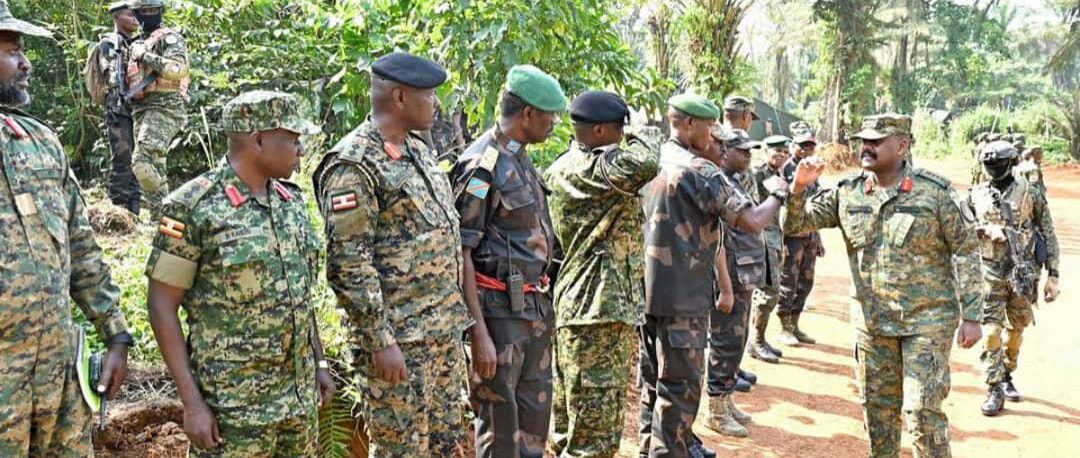
The announcement, although made on social media by General Muhoozi Kainerugaba, comes as a bombshell. The Chief of Staff of the Ugandan People’s Defence Force (UPDF) is threatening to withdraw his troops from the territories of Lubero and Mahagi, officially from the beginning of April. Behind this ‘stealthy’ decision lie growing tensions and suspicions of double-dealing that are poisoning military cooperation between the DRC and Uganda.

This dramatic move by Kampala is no trivial matter. It comes in the wake of a damning report by the Kivu Security Barometer (KST). According to this organization, the Armed Forces of the Democratic Republic of Congo (FARDC) openly suspect the Ugandan army of supporting Thomas Lubanga’s CRP (Cooperative for the Economic Development of Congo) militia.

The report highlights a troubling ‘proximity’ between the UPDF and the militiamen in the town of Savo, noting the inaction of Ugandan troops during CRP attacks on FARDC positions.

‘The FARDC continues to suspect the Ugandan army (UPDF) of supporting the CRP. This month, this suspicion has been particularly reinforced by the proximity observed between the CRP and the UPDF in the town of Savo and the UPDF’s inaction towards this militia, including during its attacks against the FARDC,” states the Kivu Security Barometer.

This climate of mistrust reached a peak in mid-March, when the administrator of the Mahagi territory instructed the DGM to prohibit the Ugandan army from entering the area, even on an informal basis.

Whilst General Muhoozi speaks of coordination with the Congolese government regarding this withdrawal stretching from Lubero to Mahagi, his posts on X (formerly Twitter) reveal a far more political motivation. Uganda appears to be demanding the head of Lieutenant-General Luboya Nkashama Johnny, the current military governor of Ituri.

“All UPDF troops will withdraw from Lubero in the coming days if the governor of Ituri is not replaced,” insisted President Museveni’s son. This statement confirms that cooperation between the military administration of Ituri and the Ugandan command has now reached an impasse, with Kampala viewing Governor Luboya as an obstacle to its interests or strategy on the ground.

This announced withdrawal strangely coincides with troop movements by the M23 rebel group in certain areas of Lubero territory. For many observers, this clash of agendas raises questions about the strength of regional alliances.

Although official sources in Kampala have not yet formally notified this withdrawal through the usual diplomatic channels, the threat is being taken seriously in Kinshasa. The question now is whether this crisis will be resolved through diplomatic channels or whether it marks the end of the military agreement allowing Uganda to operate on Congolese soil.

Written by Azarias Mokonzi

Goma: Exchange Between MONUSCO And M23 On Ceasefire, Kinshasa Agrees

Goma: Exchange Between MONUSCO And M23 On Ceasefire, Kinshasa Agrees

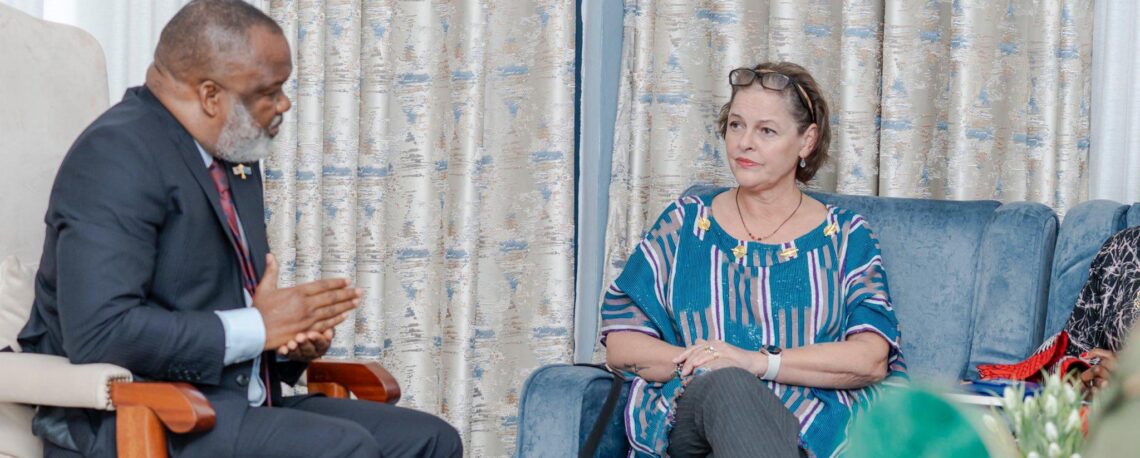
The acting head of MONUSCO, Vivian van de Perre, continued her visit to Goma, the capital of North Kivu, where she met with AFC/M23 leaders on Friday, 13 February 2026, to discuss the implementation of the joint ceasefire verification mechanism resulting from the declaration of principles signed in Doha.

In accordance with the mandate of the United Nations Security Council, the UN mission is to contribute to monitoring the ceasefire in the east of the country. An aerial reconnaissance mission is announced in the coming days in Uvira, South Kivu, as a prelude to a possible deployment of peacekeepers to support verification on the ground.

The day before, Vivian van de Perre had already announced an initial aerial reconnaissance mission to Uvira, in South Kivu. This preliminary step could pave the way, in the coming days, for the targeted deployment of peacekeepers tasked with supporting the verification of compliance with the ceasefire on the ground.

"It is essential that the commitments made in this agreement are quickly translated into clear, credible and verifiable operational provisions on the ground, in accordance with UN Security Council Resolution 2808," said Viviane Van Pierre at a press conference in Goma.

This visit, conducted after consultation with the Congolese authorities, is a key operational step in the military de-escalation process and provides for exchanges with the various stakeholders in order to clarify the practical details of this mechanism.

Meanwhile, in Kinshasa, the Congolese presidency announced on the same Friday that it had accepted the principle of a ceasefire in the east of the country. This decision is part of an initiative led by João Lourenço, President of the Republic of Angola and current Chair of the African Union, aimed at promoting a lasting return to peace in the Great Lakes region.

In its statement, the Congolese presidency specified that this agreement is an extension of the ceasefire monitoring and verification mechanism signed on 14 October 2025 in Doha, which is intended to guarantee an effective cessation of hostilities, a freeze on military positions and the protection of civilian populations.

Written by Akilimali Chomachoma

Trade: Suspension of the Head of the Congolese Control Office

Trade: Suspension of the Head of the Congolese Control Office

The Minister of Foreign Trade, Julien Paluku Kahongya, has suspended the Director General of the Congolese Control Office (OCC), Étienne Tshimanga Mutombo, as a precautionary measure. According to the ministerial decree signed on Monday 16 February 2026, the minister accuses the Director General of the OCC of serious management errors, in particular the installation of a parallel computer system for controlling imports and exports, as well as facilitating the fraudulent use of false Verification Certificates (AV).

Étienne Tshimanga Mutombo is accused of setting up a parallel computer system, causing significant financial damage for the 2025 financial year. He is also accused of irresponsible human resources management, jeopardizing the functioning of the Office.

The precautionary suspension paves the way for administrative measures and possible extra-administrative proceedings. These could concern not only the suspended Director General, but also OCC agents or executives suspected of complicity in the alleged offences.

During this suspension, the Deputy Director General, Christelle Mwabilu, will serve as interim head of the OCC. The ministry also announced the establishment of a recovery commission to clean up the OCC's management.

"An OCC recovery commission was formed on Tuesday, 17 February, by decree. It will be funded by the ministry's budget and not by the OCC," said the Minister of Trade on his X account.

Beyond individual responsibilities, the case highlights a flaw in the national system for securing foreign trade.

The OCC plays a key role in certifying goods, protecting consumers and mobilizing revenue from trade flows. Any failure in its system weakens not only public finances but also the confidence of economic partners.

For economic operators, this turning point could mark the beginning of a long-awaited clean-up. Provided that the announced reforms are quickly translated into transparent and reliable mechanisms capable of protecting state revenues and securing Congolese foreign trade in the long term.

US Sanctions: OFAC Targets Rwandan Army And Four Generals For Supporting M23

US Sanctions: OFAC Targets Rwandan Army And Four Generals For Supporting M23

Through the Treasury Department, the United States has announced a new series of sanctions targeting senior officials in the Rwandan army. They are accused of direct or tacit involvement in the violence shaking the eastern Democratic Republic of Congo (DRC).

The Office of Foreign Assets Control (OFAC) has added Generals Stanislas Gashugi, Ruki Karusisi, Vincent Nyakarundi, and Mubarakh Muganga, alias "MK MUBARKH", to its list of Specially Designated Nationals (SDN). The Rwandan army (RDF) itself is also targeted by these measures.

According to the US Treasury, Rwandan troops are deployed throughout eastern DRC.

They are said to be actively participating in the fighting and facilitating the M23's territorial control, thereby becoming complicit in abuses against civilians.

With the support of the RDF, the M23 is carrying out extrajudicial executions, arbitrary arrests and acts of torture. In January 2025, the RDF carried out attacks against the Congolese armed forces (FARDC), the SADC mission (SAMIDRC) and MONUSCO positions (United Nations Organization Stabilization Mission in the DRC). In exchange for this support, Rwanda gains access to strategic mining areas in the region, thereby financing the rebellion," the statement said.

The US administration also points out that the RDF trains M23 fighters in its military centers and actively supports the recruitment of new members, including from among refugee populations.

The Treasury Department notes that any violation of these provisions may result in civil or criminal penalties for both US and foreign entities. It is strictly prohibited to induce US persons to violate these measures or to devise schemes to circumvent them.

Under the principle of strict liability, OFAC may impose civil fines. OFAC guidelines detail how these economic sanctions are applied. Financial institutions are also liable to prosecution if they facilitate transactions involving individuals or entities on the SDN list.

These prohibitions include any provision of funds, goods or services to sanctioned persons, as well as the receipt of any contributions from them.

Written by Azarias Mokonzi

Lualaba: Flooding In Fungurume; Septic Tanks Burst, Fears Of A Health Crisis Grow

Lualaba: Flooding In Fungurume; Septic Tanks Burst, Fears Of A Health Crisis Grow

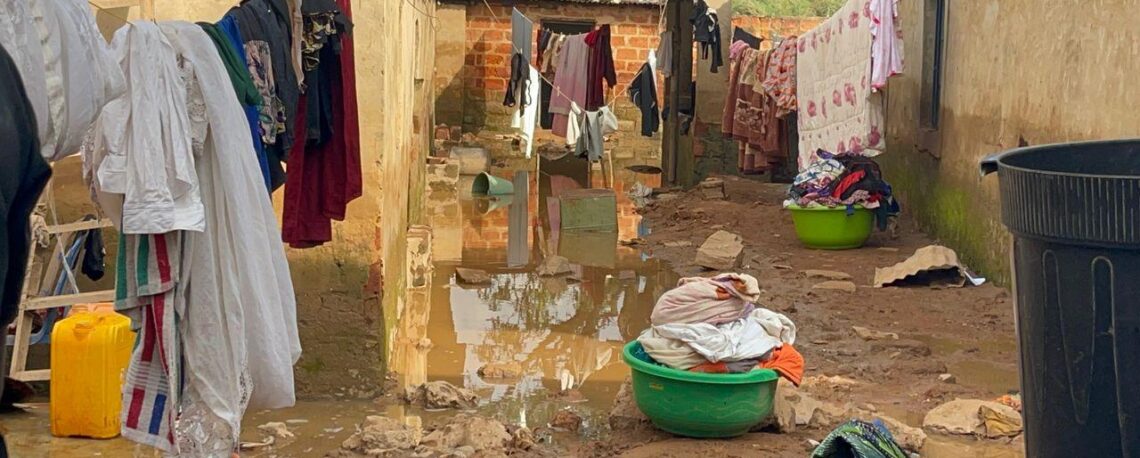
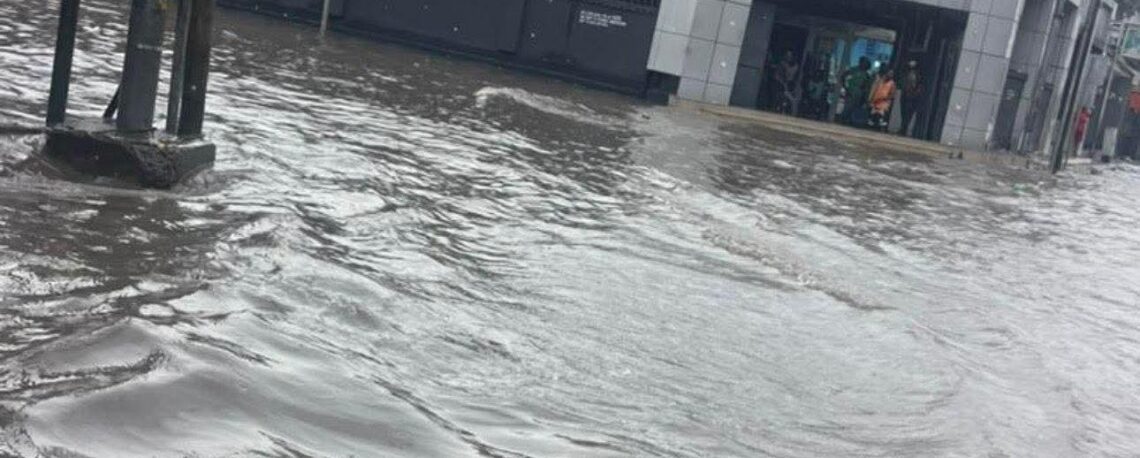
The Dipeta River has overflowed again in the neighborhood of the same name in the rural commune of Fungurume in the Lubudi territory at around 100 kilometers (62.000miles). Septic tanks have emptied due to the floodwaters, threatening the health of the local population.

Several houses have been flooded in this commune following heavy rains that fell on this part of Lualaba province, according to consistent reports from residents.

The sudden flooding of the river, combined with the lack of adequate drainage in a rapidly expanding urban area, has turned the streets into torrents of muddy water.

Residents describe an alarming situation. Rainwater mixed with river water flooded homes and plots of land, destroying property and supplies. Several families say they spent the night evacuating their personal belongings to prevent them from being swept away by the floodwaters.

Beyond the material damage, the health threat is of particular concern to residents. The overflowing of septic tanks has caused fecal matter to rise to the surface, raising fears of the spread of waterborne diseases, particularly among children and vulnerable people.

Victims also denounce the ineffectiveness of previous solutions implemented by provincial authorities, believing that they have failed to prevent further flooding.

This latest episode is not an isolated one. On Thursday 5 February, another overflow was reported in the same neighborhood. The Governor dispatched several provincial ministers, including those responsible for land affairs, health, social affairs and infrastructure, to assess the damage.

More than 600 households were gathered in a single reception center with the support of the provincial government. Despite these measures, residents say that the rains continue to devastate their homes, raising fears that the situation will repeat itself every time there is heavy rainfall.

Written by Noé Kalemeko

DRC: Upemba National Park targeted by armed men, heavy human losses reported

DRC: Upemba National Park targeted by armed men, heavy human losses reported

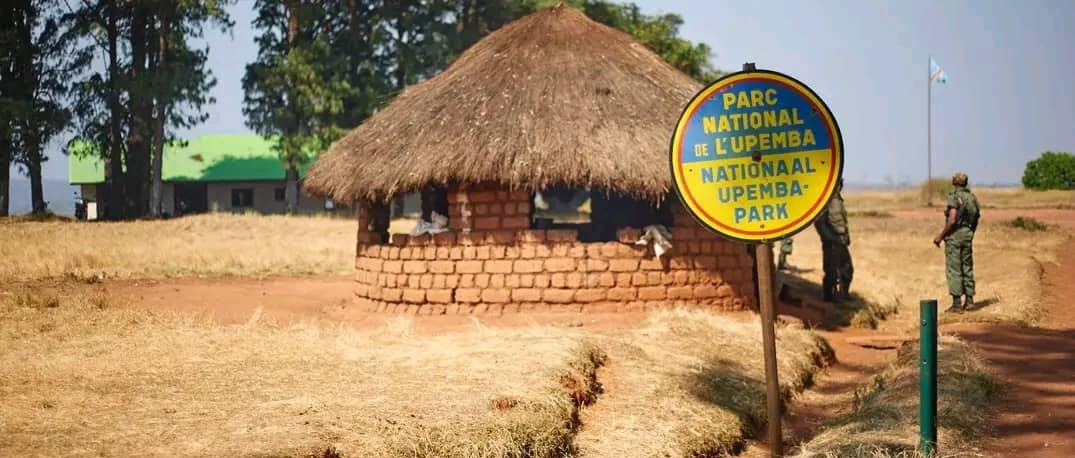
The Congolese Institute for Nature Conservation (ICCN) announced that on Tuesday 3 March, an armed incursion targeted the headquarters of Upemba National Park, located in Lusinga, in the province of Haut-Katanga. The attack, attributed to "unidentified" assailants, resulted in the deaths of five staff members and significant material damage.

In an official statement signed in Kinshasa on 4 March 2026 by its Director General, the ICCN stated that "the headquarters of Upemba National Park, located in Lusinga, was the target of an armed incursion perpetrated by a group of unidentified assailants" on Tuesday 3 March 2026.

In response to this attack, the management of the public institution in charge of protected areas claims to have reacted without delay. "Under the leadership of the Director General of the ICCN, a crisis unit was immediately convened yesterday morning," the statement said. The institution added that "in consultation with the sovereign forces, in particular the Armed Forces of the Democratic Republic of Congo (FARDC) and the security services, a series of measures has been activated to ensure the safety of agents and executives, in accordance with human rights and international standards."

According to the same source, the security situation is now under control. "At this time, full control of Upemba National Park and Lusinga station has been restored by the defense and security forces," the ICCN reassures.

However, the attack has left deep scars on this protected area, considered one of the country's major biotopes. The statement gives a heavy human and material toll, with "five park staff tragically losing their lives; equipment looted; and infrastructure suffering significant destruction".

The institution strongly condemns this attack, which it describes as a serious violation of national and international norms. "The ICCN condemns in the strongest possible terms this flagrant violation of the national legal order and international conventions. This act constitutes a direct transgression of the principle of neutrality and non-belligerence governing protected areas, which are considered common heritage of humanity under international environmental law," the statement emphasizes.

This attack comes amid a still fragile security situation in several areas of the country, where protected areas are regularly exposed to threats from armed groups, poaching and illegal exploitation of natural resources.

Written by Franck Kaky

North Kivu: more than 200 civilians killed in three months according to an NGO report

North Kivu: more than 200 civilians killed in three months according to an NGO report

In a detailed report published in early March 2026, the non-governmental human rights organization BADILIKA warns of escalating violence in North Kivu province.

According to the report, 270 people were massacred between December 2025 and February 2026, crimes attributed to local and foreign armed groups, notably ADF and AFC-M23 terrorists.

"The abuses committed by the ADF and M23 have taken a heavy human toll. 270 civilians have been killed, dozens more wounded, and vast rural areas have been emptied of their inhabitants as a result of massacres, arson, looting and abductions," the report states.

In addition to these killings, the insecurity has caused massive population displacement. More than 178,000 people have been forced to flee their homes in Masisi territory, fleeing clashes between the FARDC and the AFC-M23 rebellion. This situation is exacerbating an already critical humanitarian crisis in the region.

The report also draws on data from OCHA to highlight the extent of the chaos: "More than 178,000 internally displaced persons have been registered. The uncontrolled proliferation of small arms and the fragmentation of armed groups have created a climate of impunity and permanent insecurity."

Faced with this bleak picture, the NGO Badilika insists that it is imperative to strengthen the protection of civilians and put an end to practices of violence and extortion.

The organization calls for the urgent dismantling of armed groups and the sustainable restoration of peace and the rule of law in the east of the Democratic Republic of Congo.

The Editorial Team