
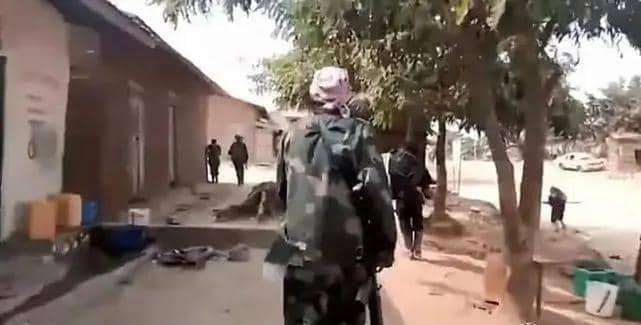
Whilst the conflict persisted in the east of the country, a new front line has emerged in recent months. The Allied Democratic Forces (ADF), formerly based in North Kivu and Ituri, are now extending their trail of terror towards Tshopo province, sending shockwaves through the international community.
The alert came from Geneva. During the 61st session of the Human Rights Council on Wednesday 25 March, the UN expressed its grave concern at the geographical expansion of this jihadist group. Nada Al-Nashif, Deputy High Commissioner for Human Rights, stated that the ADF are no longer content with their historical strongholds; they are now striking at the heart of Tshopo province.
Since last October, the escalation of violence has reached a new level. The group is accused of killing more than 260 civilians, forcing thousands of families to flee. Beyond the massacres, UN reports condemn systematic war crimes, including the sexual enslavement of women and girls.
The recent breaking point occurred in Muchacha, around 100 kilometers from Bafwasende. On 12 March, a coordinated double attack on mining sites claimed the lives of 17 people. This raid triggered a mass displacement of people: more than 7,000 displaced persons fled to the urban centres of Bafwasende and Kisangani, escaping a threat that now appears to be spiraling out of control.
This territorial expansion westwards raises acute questions about the effectiveness of the security response. Since May 2021, the Congolese (FARDC) and Ugandan (UPDF) armies have been conducting joint operations to root out the rebellion.
Yet, nearly four years later, the reality is grim. Far from being neutralized, the ADF are showing alarming resilience, bypassing areas under pressure to attack civilian populations that had previously been spared. For observers, this new incursion into Tshopo highlights the limitations of the current strategy and the urgent need to reassess the protection of civilians in this strategic region of the DRC.
Written by Azarias Mokonzi