
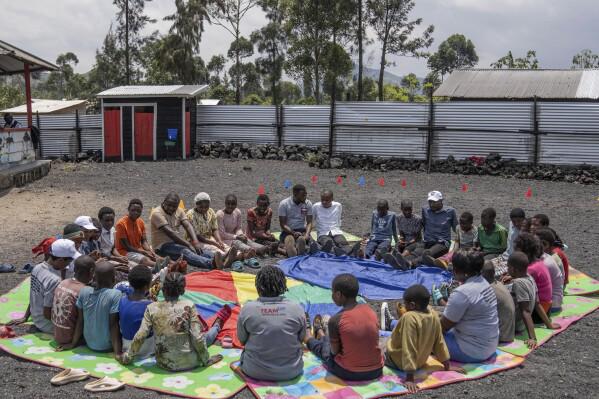
When we talk about Congo, we often think about the eastern part of the country. When we talk about the eastern part of Congo, we think about the ongoing conflict, humanitarian crisis and their physical impacts on the population. But there is another crisis quieter yet devastating, one that people tend to overlook and never makes the headlines: Mental health.
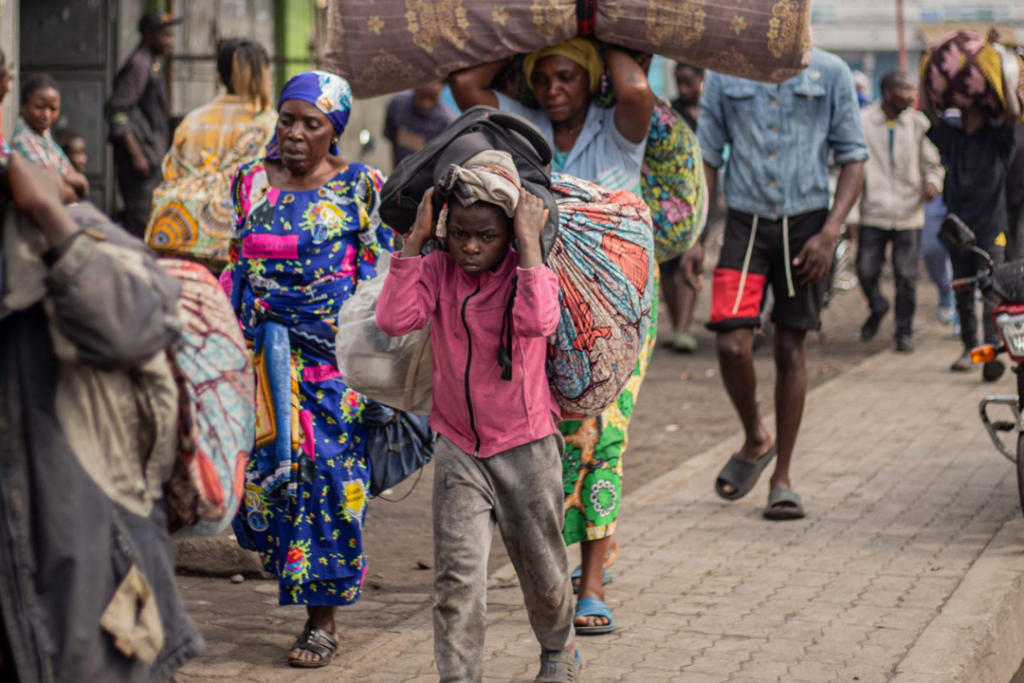
Displaced Population
According to a UNHCR report dated September 8th, 2025, over 100,000 people have fled their homes to find shelter in neighbouring countries. Millions are internally displaced and living in overcrowded camps.
Displaced people have been victims of conflict for decades and continue to suffer from the ongoing humanitarian crisis. They endure the pain of separation from their ancestral lands.
When you spend your whole life in a community, a place that you call home, it is difficult to leave it behind. The pain of leaving your home unwillingly because it has been destroyed, because you have been raped or because conflict has shattered your life, is another kind of pain. It changes who you are socially connected to and leads to stress, anxiety and post-traumatic stress disorder.
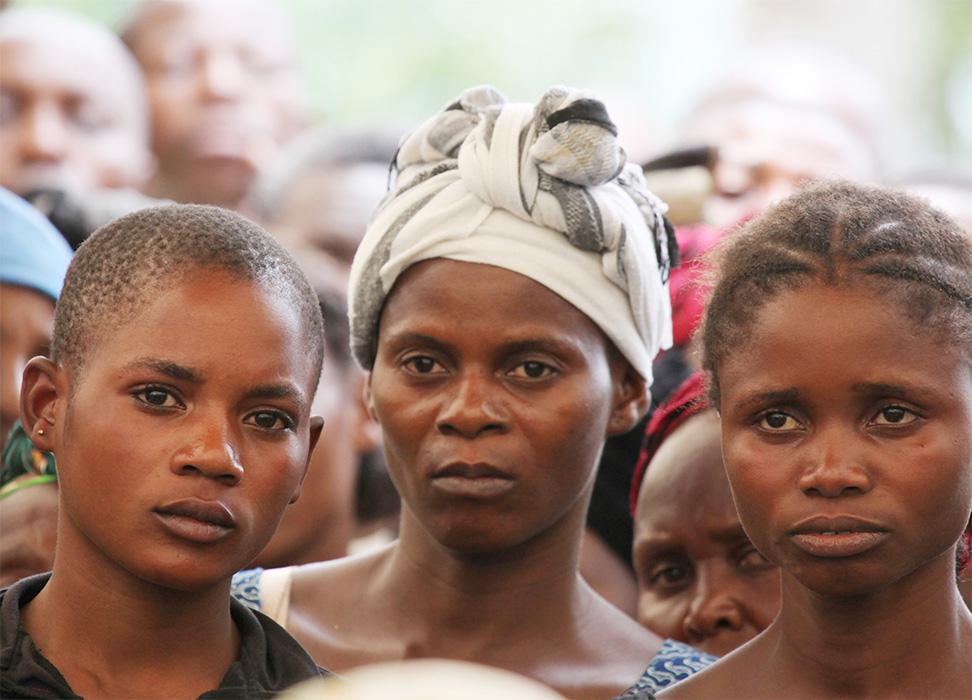
GBV Victims
An estimated 48 women are raped every hour in the DRC (UNFPA, 2011)
Girls as young as 9 years old are facing gender-based violence. A mother in the eastern Congo was going to the market and found a 9-year-old girl had been raped. While trying to help her, she was raped herself, and the perpetrator went on and raped an elderly woman. As I write this, I still can’t believe it or wrap my mind around the fact that someone can be so insensitive and lose their humanity to the point of committing these atrocities.
GBV has multiple health impacts on victims such as STIs (Sexually Transmitted Infections), HIV/AIDS and when contracting these they become more susceptible to other diseases since their immune system is already compromised and weakened by pre-existing conditions.
Women who are victims of GBV do not only suffer from physical health issues but also mental health issues such as psychological trauma. Many are usually rejected by their communities, left to fend for themselves. With limited access to healthcare, they feel helpless and abandoned, which creates fear and shame to open up about the assaults and sexual violence they have endured. They think and are convinced that if they say something they will be rejected and stigmatized by their own communities.
Yet, in the face of everything, some women try to speak up, rebuild and teach us that resilience is not just survival; it is refusing to let the pain have the final word.
Community
In September, more than 60 people were left dead in Nyoto, North-Kivu by ADF (Allied Democratic Forces) and some houses were set on fire.
Toward the end of September, 5 young people were kidnapped by Mai-Mai groups in Lubero, North-Kivu, reported actualite.cd. The ongoing conflict has enabled more enemy groups to harm and create fear within communities.
In South-Kivu, Bukavu, people now hesitate to walk through the streets, afraid of being abducted by one of the M23 rebels who use kidnapping as a way to force young men to join them and if they do not comply, they are killed. When a young man goes missing it creates panic in neighbourhoods because they assume he has either been forced into the rebel group or killed.
Even wedding celebrations have changed. Celebrations that once began in the evening are now held during the day, as the streets become too dangerous after dark. The nights that once carried laughter and music now feel heavy and uncertain. What used to feel like home has, for many, become a place of worry instead of comfort.
Daily life has ever since been reshaped by insecurity. People have lost their jobs, the economy has declined, local businesses have been destroyed, and the education system has faced disruptions and delays, leaving dreams on hold.
Communities once vibrant with joy now live under constant fear of rebel attacks and crimes. Many people have normalized living in fear, seeing it as the new normal.
Mental health is not only about mental illness; it is about our emotional and psychological well-being, how we feel and cope with life. Unfortunately, in many African communities especially in many parts of DRC, the topic of mental health is often misunderstood and considered taboo, some see it as a sign of weakness others as witchcraft or divine punishment.
This stigma keeps people silent when what they need most is to be heard and supported.
They are not three separate groups; they are one body living through the same wound. The displaced lose their homes, women victim of GBV lose their dignity and safety, and communities lose their balance but when one finds healing, hope flows back through everyone.
Fu-Kiau, in his book ‘Simba Simbi’ which means to ‘hold up that which holds you up’ is a reminder that even in hardship, life is sustained through our connection to others, to the land, and to do something greater than ourselves.
Imagine if in every school, there was space to talk about how we feel. If teachers were trained to recognize trauma. If communities saw mental well-being as just as important as physical health. That kind of awareness could change everything.
When young people learn more about mental health, they grow up understanding that strength isn’t silence. It is speaking up and seeking help. Feeling broken doesn’t mean you are weak; it simply means you are human.
Any Signs Of Hope?
In April 2025, the International Organization for Migration (IOM) under the leadership of the ministry of public health, hygiene and social welfare has launched a 5-year mental health and psychosocial support program for peace project in the DRC. The project supports affected populations and has been deployed in zones such as Nyunzu, Nyemba and Kalemie located in the Tanganyika province. It aims to reach up to 158 000 beneficiaries between 2025 and 2029 through the creation of community centres, mental health training, awareness campaigns and the restoration of social connections.
Organizations and hospitals on the ground such as Heal Africa Hospital, Panzi Foundation, Saint Vincent de Paul hospital and international partners like MSF, UNHCR and so many more are also providing essential psychosocial care to affected communities.
However, despite these efforts, the need for more psychosocial support far exceeds the resources available.
Mental health must not be overlooked. We need to break those myths surrounding it and end the silence. We need to create more awareness programs, more advocacy, more health education (for instance introducing the topic of mental health in the school curriculum, training community volunteers to teach people about mental health and break the stigma), more support for a resilient, stronger and peaceful Congo.
Written by Vanessa Mukanire