Kolwezi: Angry artisanal miners paralyze several neighborhoods

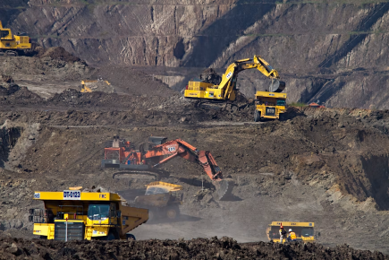
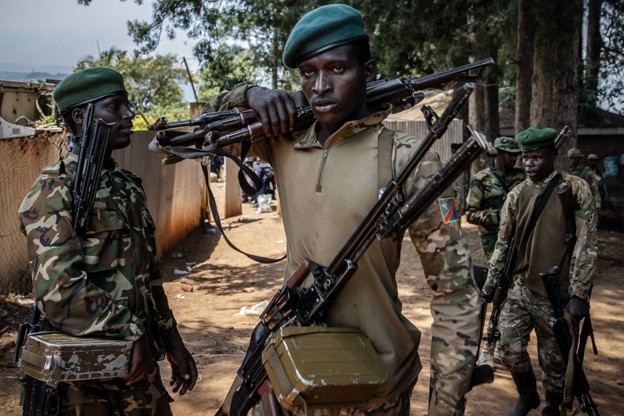
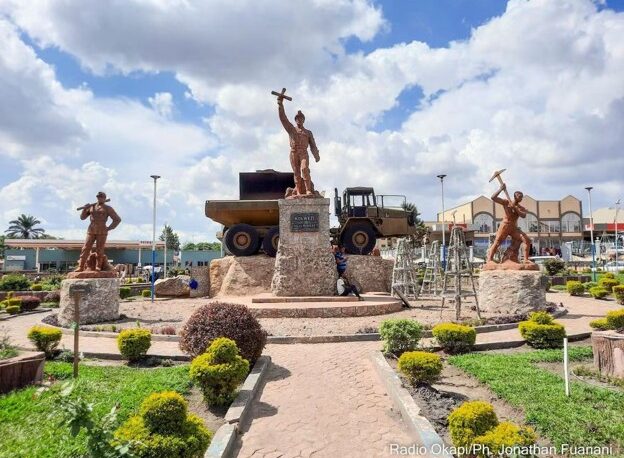
Demonstrations by artisanal miners are disrupting several neighborhoods in Kolwezi, Lualaba province, this Monday. They are protesting against inspections at processing entities and mineral purchasing centers, as well as difficulties in accessing mining sites. The anger of artisanal miners is spreading across several neighborhoods in Kolwezi.

From Kasulo to UCK, passing through Kanina, Musonoie, Kazembe, and the T17 axis, demonstrations disrupted traffic and activities this Monday amid tensions surrounding mineral commercialization and the relocation of miners.

At the root of this mobilization is the closure of certain purchasing centers and restrictions placed on the sale of minerals. These measures reduce opportunities to sell production and deprive many miners of income. Demonstrators feel that the inspection operations further exacerbate their precarious situation.

The situation escalated along the Kasulo-Luilu axis, where vehicles were stoned and passengers injured, according to reports gathered. Tires were also burned on National Road 39, disrupting traffic.

At UCK, police interventions had failed to restore calm by midday. In Kanina and Musonoie, vehicles were also targeted by stone-throwing. In Kasulo and Kazembe, security forces used tear gas to disperse demonstrators, who are notably demanding the reopening of purchasing centers.

Mining zones still awaited

Beyond the inspections, the miners are demanding the realization of the Congolese government's commitments regarding artisanal mining zones (ZEAs). They denounce the slow pace of development work at sites intended to accommodate relocated miners, particularly those transferred from T17 to Kasulo.

The Kamilombe site is also raising concerns. Miners are contesting the state's repossession of certain areas and fear being forced to leave their workplaces without alternative solutions that offer acceptable working conditions.

Lualaba authorities have mentioned ZEA No. 371 as a destination for the Kamilombe miners. However, the operators express doubts about the site's distance, its level of infrastructure development, and its mineral potential.

In Kasulo, stripping and infrastructure development works for ZEA 786 were officially launched on July 14, 2026, by the Director General of the Service for Assistance and Support to Small-Scale Mining (SAEMAPE), Jean-Paul Kapongo, in the presence of the Governor of Lualaba, Fifi Masuka Saïni.

However, concerns expressed on the ground center on the slow pace of the work, deemed incompatible with the immediate needs of miners deprived of their main source of income.

The Ministry of Mines, headed by Louis Watum Kabamba, also announced plans to make 33 artisanal mining zones available. Yet, their realization remains eagerly awaited by the miners, who face economic hardship and uncertainty over their future work sites.

This Monday's mobilization thus highlights demands that extend beyond mere inspection operations: demonstrators are asking for market outlets for their production and developed sites that allow them to resume their activities.

By midday, no official toll of the incidents or official response regarding the demonstrators' demands was available. The situation remains tense across several neighborhoods of Kolwezi.

Written by Noé KALEMEKO
DRC:  In Rubaya, Children Trapped Between Mining Exploitation And Insecurity

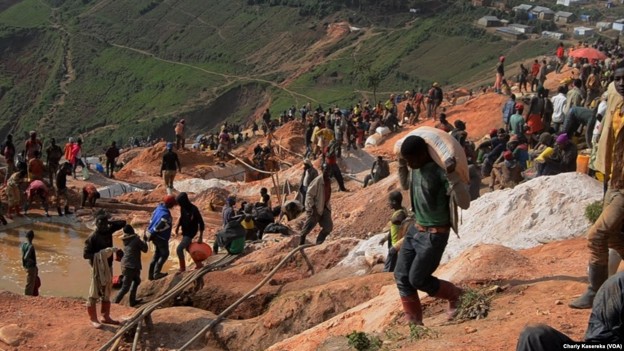
In the Masisi territory of North Kivu, insecurity and population displacement are exposing children to heightened vulnerability. In Rubaya, where the AFC/M23 armed group exercises control, mining conditions and human rights abuses documented by rights organizations are raising grave concerns.

In Rubaya, Masisi territory, North Kivu, the security crisis is not limited to armed clashes and population displacements. It also raises questions about the fate of civilians forced to survive in an environment where artisanal mining takes place under the control of an armed group.

Among the vulnerable populations are children from families displaced or weakened by the conflict. Deprived of resources and facing difficulties accessing education and humanitarian aid, some risk turning to mining sites to meet their basic needs.

Under these conditions, mining work can become a survival strategy with particularly heavy consequences for minors deprived of protection and prospects. The risks are manifold: accidents, exposure to dust, heavy lifting, injuries, and dropping out of school.

Survival at the expense of childhood

In Rubaya, economic hardship and the worsening security situation exacerbate the vulnerability of civilians. For displaced families, the search for food and income can take precedence over children's education.

“They lack everything, including education. They take advantage of and prefer working in mining sites to meet this need for survival,” confides a local civil society source, speaking on condition of anonymity.

This testimony highlights a troubling pattern: when livelihoods disappear and protection mechanisms are insufficient, children can be pushed into dangerous activities.

The reported presence of pregnant women among those performing hard labor at mining sites also illustrates the extent of the precariousness described by local actors.

These situations warrant thorough field investigations, notably to establish the scale of child labor, their working conditions, and the drivers leading them to join mining sites.

Perimeter PE4731 at the center of concerns

The mining perimeter associated with Rubaya, particularly the former PE4731 concession, is at the center of concerns regarding diggers' safety and control of the mineral trade.

The situation in this area has already been documented by several sources. In September 2026, Amnesty International published a briefing detailing human rights abuses committed by the M23 in a coltan mine near Rubaya. The organization notably reported summary executions, acts of torture and ill-treatment, arbitrary detentions, forced labor, forced recruitment, and looting.

These findings reinforce concerns regarding civilian protection in mining areas under armed control. However, on their own, they do not confirm every specific allegation regarding the use of children at the site mentioned by the local source.

“They are the ones managing, coercing, and using these children and women to maximize the extraction of strategic minerals from the region,” states the civil society source.

These allegations, which directly implicate armed actors present in the area, call for independent investigations to identify those responsible and establish the facts.

Sovereignty put to the test

Beyond working conditions, the situation in Rubaya raises questions about the control of natural resources in conflict-affected territories.

The civil society source describes an environment in which Congolese populations reportedly have little say over the rules governing their daily lives and the exploitation of their land's resources.

“In Rubaya, it is the Rwandan norm that is respected here; Congolese represent nothing,” the source asserts.

This testimony reflects the feeling of abandonment and dispossession expressed by certain local actors. It must be viewed within the broader context of AFC/M23's control over Rubaya and documented concerns regarding cross-border mineral trafficking.

In a report published in 2025, the United Nations Group of Experts had already described the control exercised by AFC/M23 over mineral production and trade in the region, as well as smuggling networks connecting Rubaya to Rwanda

The issue thus goes beyond the mining sector alone: it touches upon state authority, community protection, and the ability of Congolese institutions to ensure that the country's resources benefit its population.

Protecting children, restoring state authority

Faced with this situation, local civil society calls on the Congolese government and the international community to act to protect civilians and put an end to the exploitative practices denounced at mining sites.

Priorities include strengthening child protection, returning out-of-school children to the classroom, providing access to humanitarian aid for displaced families, and combating forced labor. Securing mining sites and ensuring mineral traceability also remain major imperatives.

In Rubaya, mineral wealth stands in stark contrast to the precariousness of the populations living near extraction areas. As long as security, child protection, and fundamental rights are not guaranteed, the risk remains that the most vulnerable will continue to pay the human price of a conflict-driven mining economy.

Written by Azarias Mokonzi

The Women Beneath the Green Revolution

When you're driving an electric car, you probably think you're contributing to a cleaner future. But have you ever thought about who actually makes that future possible?

Essential to the batteries powering electric vehicles and other green technologies, cobalt has become one of the most significant resources in our global transition to green energy. As the demand for battery powered technologies continues to grow, so does the demand for the cobalt needed to power them. The center of this flourishing industry lies in the south of the Democratic Republic of the Congo, in Kolwezi–the cobalt capital of the world.

The Women Beneath the Green Revolution

Credits to: Dominik Vanyi, Unsplash.com

From sunrise-to-sundown, thousands of women toil at mines, working dangerously with these very minerals crucial to obtaining our “green” future. The Mutoshi Pilot Project offered a glimpse of what a different future could look like–one with clean energy and protected women's livelihoods. Yet, its eventual termination revealed a deeper issue: without long-term commitments, even the most successful reforms can create only temporary differences, leaving women vulnerable to the very conditions they were supposed to be freed from.

Currently, women make up 20-50% of artisanal mine workers. Many are forced into mining due to economic hardship and a lack of access to alternative income sources. Because early communities thought women were in charge of life and fertility above ground, mixing female energy with the “womb of the earth” was believed to offend the spirits guarding minerals. Therefore, women are not allowed in tunnels because their presence is thought to drive away copper veins. Due to this and differences in physical strength, women and men have different jobs: women often crush, sort, and wash raw minerals, whereas men dig through tunnels. Working conditions are incredibly dangerous. Women spend between 8 and 10 hours a day cleaning unearthed ores. Feet in water, handling black stones with bare hands, they are exposed to an immense amount of radiation danger. Women often perform mineral purification on cobalt–a mineral incredibly toxic to inhale and touch–while they are pregnant or alongside children without any Personal Protective Equipment (PPE). Additionally, women’s reproductive health deteriorates through their exposure to minerals in the mines. Menstrual disruption, infections, miscarriages, stillbirths, and birth defects are all examples of toxic reproductive effects that occur. Poor hygiene practices exist due to a lack of access to drinking water and sanitation facilities, ultimately placing women and girls at high risk of infections, along with other gynecological and reproductive diseases. Women are often subject to widespread sexual violence in mining communities as well. In one study, over 70% of women reported sexual violence, including abuse involving police and security forces working at mines to oversee transactions between miners and middleman purchasers. Such exploitation contributes to coerced prostitution of underage girls, underage pregnancy, and high rates of HIV. Yet, these conditions aren't unavoidable; the Mutoshi Pilot Project demonstrated how safer and more equitable mining practices are possible. The project, existing from 2018-2020, aimed to improve income, support female empowerment, increase school attendance, reduce child labor and injuries, and eliminate fatalities. While traditional mining relied on deep, dangerous, narrow tunnels, Mutoshi brought safer, open-pit mechanical extraction: a process that stripped topsoil, converting underground shafts that were hazardous into flat, open-pit areas capped at 10 meters, roughly the length of a standard yellow school bus. Through doing this, the physical barrier of narrow tunnels was removed, along with cultural superstitions keeping women from digging in enclosed mines in the first place. Specifically, 77% of participating women moved into non-washing roles. (39% became ore collectors, 31% became diggers, and 7% became team leader diggers).

Credits to: Matthew de Livera, Unsplash.com

The project introduced clean drinking water, sanitary latrines, and on-site healthcare, heavily improving the well-being of all women working. Miners at Mutoshi worked an average of 1 hour less per day than those on non-project sites, having a lower rate of absence because of illness and spending less out-of-pocket money on medical bills. Additionally, women faced less harassment from male colleagues through heavily structured fences on-site, protecting women while they work.

Mutoshi transformed households and communities. Women participating in the project earned roughly 2.5 times more than those not a part of it, with monthly earnings increasing from ~$34/month to ~$100+. As a result, household incomes doubled, providing mothers a greater financial ability to support their families. Many mothers used their increase in earnings to pay off their children’s education, granting children the ability to return to school. Hence, the project caused a significant decline in child labor. Women also gained leadership roles and legal recognition within the mining sector, affirmatively challenging the gender barriers that had confined them to lower-paying positions in the past. The project’s success showed how gender equality wasn’t just a matter of protecting workers; rather, it was also about improving the economy. Women opened up new businesses in surrounding communities, launching small retail stalls, food markets, and clothing shops. Local food sellers and farmers also saw an increase in daily demand because miners had a reliable cash flow for daily nourishment. In fact, women were able to spend about 75% of their earnings on local goods. Since women were given greater opportunities to earn, for every 10,000 miners on site, the project generated around $1 million per year in local economic activity.

Credits to: catrina farrell, Unsplash.com

Despite its success, the progress Muthoshi made was ultimately unsustainable. When the COVID-19 pandemic ended the project in 2020, the safety standards that protected miners deteriorated rapidly. Fatalities in tunnels increased from zero during the project to seven afterwards, pushing women back into the dangerous working conditions they had briefly escaped. Many women went back to washing ore, losing the higher wages they gained in their new roles as collectors, diggers, and team leaders. As household incomes declined, child labor also found its way back into the area, along with sexual harassment, causing women to once again become exploited by middlemen. The collapse of Mutoshi reveals a fundamental limitation of short-term human rights interventions: even when a project shows that safer and more equitable mining is achievable, those improvements can never last to protect communities permanently without long-term commitments to enforce them. Clean energy should still be obtainable without the expense of women’s lives. The Mutoshi Pilot project demonstrated how achieving safer and more equitable mining practices is not impossible; when mining practices changed, women were able to gain safer working conditions, better economic opportunities, and the power to support their families and communities. The project ending, and its protections disappearing alongside it, was never because possible solutions didn’t exist; rather, it was because there was no long-term commitment to them. We must hold governments, mining companies, and battery manufacturers accountable for making the standards we want permanent instead of temporary. This means providing miners with safe working conditions and PPE, investing in economic empowerment for women, and strengthening the enforcement of human-rights protections throughout the cobalt supply chain. Consumers should start questioning where the minerals that make their “ethical” batteries possible actually come from–and whose lives are used to get them. The green industry has already shown it is capable of protecting the workers behind their minerals. Now, it is time to make those protections the standard, not the exception.

Credits to: Noah Buscher, Unsplash.com

Written by Vatsala Dogra

Source List

  1. https://catalystmcgill.com/womens-security-and-cobalt-mining-in-the-drc/#:~:text=Women%20are%20tasked%20with%20the,these%20jobs%20are%20physically%20dangerous.
  2. https://news.mongabay.com/2024/11/cobalt-mining-for-green-energy-risks-womens-reproductive-health-in-drc/
  3. https://www.trafigura.com/media/1qnci1so/2019_trafigura_the_mutoshi-pilot_project.pdf
  4. https://ditsong.org.za/en/iron-smelting-taboos-during-the-late-iron-age-in-south-africa/
  5. https://www.delvedatabase.org/uploads/resources/2020-SoS_OHS-2_Mutoshi-Cobalt.pdf#:~:text=For%20every%201%2C000%20miners%20at%20the%20site%2C,ment%20and%20bribes%20sought%20by%20government%20agents.
  6. https://bhr.stern.nyu.edu/wp-content/uploads/2023/02/NYUCBHRCobaltMining_FINALFeb7.pdf
  7. https://academicjournals.org/journal/JASD/article-full-text-pdf/D34190A71369

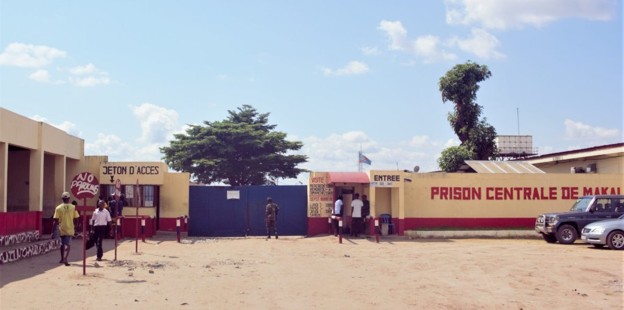
Kinshasa: At nearly 11 times its capacity, Makala prison on the verge of saturation

Designed to hold 1,500 people, the Makala Central Prison currently houses over 16,000 inmates. This severe overcrowding is placing considerable strain on detention conditions and operating resources, while the facility's budget remains unchanged.

Makala Central Prison is facing a massive surge in its inmate population. During a visit on Thursday, October 15, 2026, the Minister of State, Minister of Justice, and Keeper of the Seals, Guillaume Ngefa Atondoko Andali, indicated that the number of detainees had grown from approximately 8,000 to over 16,000, without any increase in the operating budget.

“When I took office and came here for the first time, there were 8,000 of you. Today, you are 16,000, which represents an exponential increase, all while operating on the exact same budget,” the minister stated.

This growth weighs heavily on resources allocated for feeding inmates. According to Guillaume Ngefa, the current budget is tailored for a population far smaller than the number currently held in the facility.

“What does that mean? It means we are feeding 16,000 people with a budget designed for fewer than 5,000. We must therefore formulate appropriate recommendations,” he explained.

Also known as the Kinshasa Penitentiary Re-education Center (Centre pénitentiaire de rééducation de Kinshasa - CPRK), Makala has an official capacity of 1,500 places. However, figures presented during the visit show 16,238 detainees—nearly eleven times the intended capacity.

Accompanied by the Prosecutor General at the Court of Cassation, Firmin Mvonde Mambu, the minister inspected several pavilions, notably those reserved for women, juveniles in conflict with the law, and sick inmates.

The delegation observed severe overcrowding, dilapidated infrastructure, and difficulties in accessing medical care. Detainees also pointed out the lack of sleeping space and requested clemency measures.

To reduce overcrowding, release measures were also raised. Following an examination of individual cases, 108 detainees were identified, and the Prosecutor General proceeded with several symbolic releases. The previous week, 66 detainees had been granted conditional release.

At the conclusion of the visit, Guillaume Ngefa announced recommendations aimed at decongesting the prison and improving care conditions for inmates. He plans to return to Makala before the end of the year to assess how the situation evolves.

Written by Noé KALEMEKO

DRC A New Mountain Gorilla Birth Recorded in Virunga National Park

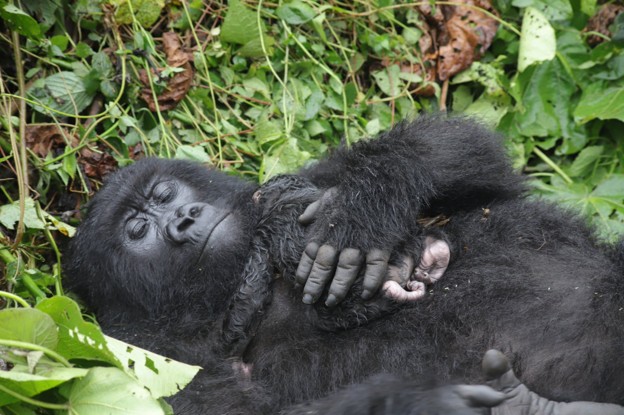
A new mountain gorilla birth was recorded last Saturday within the Bageni family in Virunga National Park, eastern Democratic Republic of the Congo (DRC). According to an announcement by the park, Ruzuzi gave birth to a baby male, who was spotted by community trackers.

This birth marks the fourth recorded this year within this family, according to the park's statement released this Thursday. In January, the group notably welcomed twins—a rare occurrence among mountain gorillas.

With this new arrival, the Bageni family now comprises 61 individuals, adds the statement published on their X account. It thus remains the largest known mountain gorilla family in the world, according to Virunga National Park. Park-wide, the number of recorded births since the beginning of the year has now reached 17.

For Timothée Buhashe, a member of the Ecological Brigade at the University of Goma and an environmental activist, these results are also tied to the involvement of local communities in the conservation of endangered species.

According to him, sustaining these achievements depends notably on forest protection and the ability of neighboring communities to benefit from the park's economic returns. This approach aims to reconcile biodiversity conservation with the socioeconomic needs of populations living near protected areas.

According to Global Forest Watch, a global forest monitoring platform, Virunga National Park lost more than 14,000 hectares of tree cover between 2021 and 2022. This loss is notably linked to charcoal production, timber exploitation, and insecurity surrounding armed conflicts.

Written by Victoire Katembo Mbuto

DRC:  Students at Institut Nyabyungu Educated on the Risks of carbon dioxide-rich gases

In Goma, eastern Democratic Republic of the Congo (DRC), the Mazuku phenomenon associated with the accumulation of carbon dioxide CO_2 in certain areas poses a danger to local populations and animals. A lack of awareness about this phenomenon and the spread of misinformation complicate prevention efforts.

---------

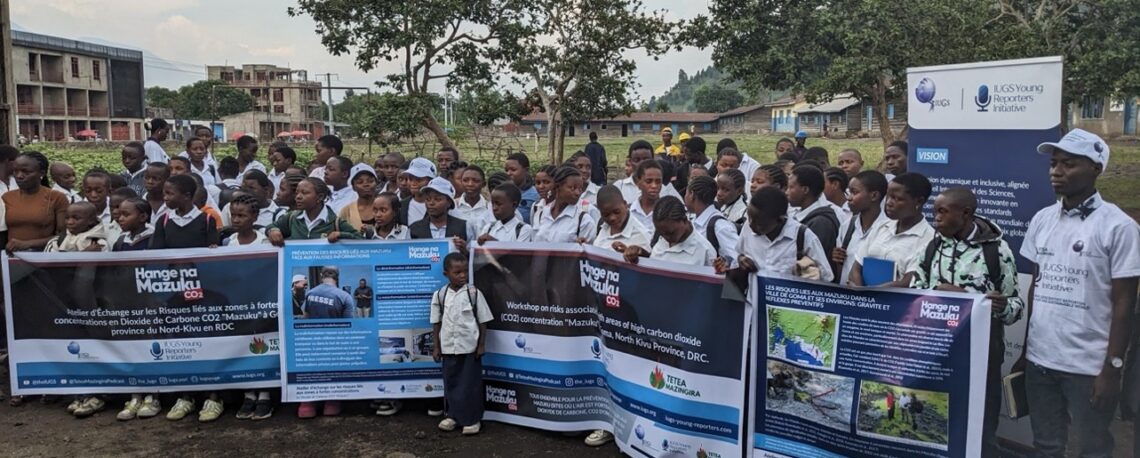
The Youth Reporters Initiative of the International Union of Geological Sciences (YoRI-IUGS), represented in the DRC by journalist Daniel Makasi, raised awareness among around one hundred students at Institut Nyabyungu regarding the risks associated with Mazuku. The activity, organized in collaboration with Tetea Mazingira on Monday, October 19, 2026, also addressed the consequences of disinformation on prevention.

Mazuku: A Hazard Linked to Volcanic Activity

Abeli Minani, a researcher at the Goma Volcanological Observatory (OVG), explains that Mazuku is linked to volcanic activity. He emphasizes caution as the primary preventive measure.

According to the researcher, prolonged exposure to high concentrations of CO_2 can cause various symptoms, notably fatigue, respiratory distress, and loss of consciousness. In the most severe cases, it can be fatal.

“Exposure to CO_2 concentrations between 2% and 5% can notably cause nausea and dizziness,” he warns.

The researcher highlights the neighborhoods of Lac-Vert, Mugunga, and Himbi, as well as peripheral areas of Goma and sectors of Virunga National Park, as being among the locations affected by the phenomenon.

He also mentions signs that may indicate the presence of hazardous zones, such as yellowish vegetation or an unusual absence of plant life. However, these indicators alone are not enough to confirm the presence of dangerous $CO_2$ levels.

An Average of Six Deaths Per Year

Abeli Minani notes that a scientific study published in 2021 reported an average of six human deaths per year linked to Mazuku. He clarifies that these figures are based on available data and that other cases might go unrecorded, particularly when they occur in isolated areas.

The phenomenon also affects domestic animals and wildlife, with potential consequences for community livelihoods and local ecosystems.

To reduce accidents, the researcher urges residents to exercise vigilance, particularly when in areas likely to be affected.

In particular, he advises against approaching a dead animal or attempting to rescue a person in distress in an area suspected of having dangerous $CO_2$ concentrations without proper equipment.

“Appropriate protective equipment is required before taking action to rescue a victim in a potentially dangerous area,” he recommends.

Because CO_2 is invisible and odorless, any intervention in a suspicious area must be left to trained and equipped personnel. An unprotected person should not venture into these zones, even to render aid.

Disinformation: A Challenge for Prevention

Mazuku is also affected by the circulation of false information. Rumors and misleading content can downplay the risks, create unjustified fear, or encourage dangerous behavior.

Daniel Makasi, DRC focal point for the IUGS Young Reporters Initiative and facilitator of these exchanges, emphasized the need to strengthen collaboration between scientists, journalists, and society. According to him, this synergy helps make scientific knowledge more accessible, improves public information, and combats disinformation. He cautions that reliable information about Mazuku can thus contribute to raising awareness of the risks and prevention measures.

Other stakeholders are advocating for the marking and fencing off of high-risk zones to increase residents’ caution

Goma: The FRN Offsets Its Military Losses Through Forced Recruitment of Youth (Testimonies)

In Goma and its surroundings, the distress of the civilian population has reached inhumane proportions. Facing heavy losses on the front lines, Joseph Kabila’s FRN rebels are resorting to methods of extreme cruelty to fill their ranks. In addition to the forced enlistment of young people, nocturnal terror, and the systematic execution of those who resist, these attackers are using the population as a stepping stone.

According to poignant testimonies gathered directly from local residents, the insurgents' strategy intensifies each time they suffer major military setbacks. Running out of voluntary recruits, they turn to civilian homes once night falls.

Rebels now spend their nights hunting down young boys and men directly in their homes. The choice imposed on them is of macabre simplicity: join the ranks to fight or be executed on the spot.

“When they suffer losses and have no volunteers, they hunt down the youth. I haven’t had any news of my child for several months. Many young people in my neighborhood are missing since they were targeted,” confides a desperate mother on the ground in Goma.

Another resident deplores the dehumanization they are subjected to. “We are considered subhumans and treated truly like slaves in Goma,” confides, anonymously, another mother traumatized by events. “Civilians are no longer seen by the attackers as human beings, but as disposable labor or human shields,” she says.

The Torment of Decomposing Remains: A Weapon of Psychological Terror

To break any attempt at resistance or civil disobedience, the rebels have instituted novel and barbaric methods of psychological torture. When a young person refuses to enlist and is shot, the rebels forbid the family from holding funeral services.

“There came a point where, when they kill someone, they leave the body inside your home and forbid you from going outside for 4 or 5 days. We suffer alongside the smell of the decomposing remains and starvation. Anyone who dares to bury the body is systematically arrested or physically eliminated. We are living through the unacceptable,” testifies this mother in distress.

This strategy of confinement with decomposing bodies aims to terrorize entire neighborhoods, preventing any impulse toward revolt. Mourning, a fundamental human act, becomes punishable by death.

A Cry for Help in the Face of the Unacceptable

The humanitarian and security situation in North Kivu, particularly around the strategic hub of Goma, continues to cross new thresholds of horror. The desperate cries of mothers and families, trapped in this bloody nightmare, constitute an urgent call to the regular defense forces and the international community to stop these abuses and protect a youth caught in the trap of a pitiless war.

Written by Azarias Mokonzi

Ituri in Blood: Over 1,000 Civilians Massacred in Mambasa Since May, APDEF Denounces a “Shameful Silence”

More than 1,000 people have been killed since May in the territory of Mambasa, Ituri. This toll was delivered to TazamaRDC.net this Tuesday, October 27, 2026, by Rams Malikidogo, coordinator of the human rights NGO APDEF in Mambasa.

According to our source, the ADF alone are responsible for these deadly attacks. More than 650 people have been killed in the Babila-Babombi chiefdom.

“More than 650 people have been killed in the Babila-Babombi chiefdom. The victims are mostly men. Children and women are most often abducted and initiated into jihad,” he indicated.

According to him, the conflict led by the ADF is the deadliest in the DRC and, unfortunately, nearly the most neglected. “Our dead attract less attention. We are witnessing perhaps the deadliest conflict in Africa, yet it fails to draw the attention of the national and international community. Every day, we bury our dead and no one speaks about this conflict with the tone that is needed,” he deplored.

Our source attributes this situation to the absence of serious military operations as well as the impunity benefiting several officers accused of collaborating with terrorists for illicit enrichment.

Written by Azarias Mokonzi

Environment: 34 Parrots Released in Dingi, Maniema

Officials from the Lukuru Foundation and the Congolese Institute for the Conservation of Nature (ICCN) in Maniema released 34 parrots back into the wild in Dingi, located in this eastern province of the Democratic Republic of the Congo (DRC), last Tuesday, October 20. These birds had been seized from traffickers involved in illegal wildlife trade.

According to the report presented during the release ceremony, a total of 549 parrots have been reintroduced into the wild since these operations began, stated Thérèse Hart, founder of the Lukuru Foundation. The birds underwent a rehabilitation period prior to their release.

African Grey parrots were previously released in Dingi on March 25. Over 40 other rehabilitated African Greys were also set free on May 31, in observance of World Parrot Day.

African Grey parrots were uplisted from Appendix II to Appendix I of the Convention on International Trade in Endangered Species of Wild Fauna and Flora (CITES) in 2016 due to fears of species extinction driven by rising exports. Consequently, the commercial quota for this species went from 3,000–5,000 individuals down to zero, enforcing a total ban on trade.

Written by Victoire Katembo Mbuto

Congo’s Armed Conflict Amplifies Ongoing Ebola Crisis

 The Democratic Republic of the Congo (DRC) is leading as the epicenter of an Ebola Epidemic. On May 15, 2025, the Ministry of Health of the Democratic Republic of Congo officially declared the nation’s 17th Ebola outbreak within the past 50 years, the Budiyongo Ebola virus, which has rapidly escalated into the deadliest outbreak that the country has experienced.

 As of Oct.7,  a total of 8,728  cases of the virus have been confirmed, claiming the lives of 4,205  people. From Aug. 17-24, 317 deaths were reported, marking the deadliest single week of the outbreak so far. The Budiyongo strain is an extremely rare subtype of Ebola that has an approximate 48.5% mortality rate. Originally discovered in Uganda’s Budiyongo district in 2007, the strain has no approved vaccine or treatment as of 2026.

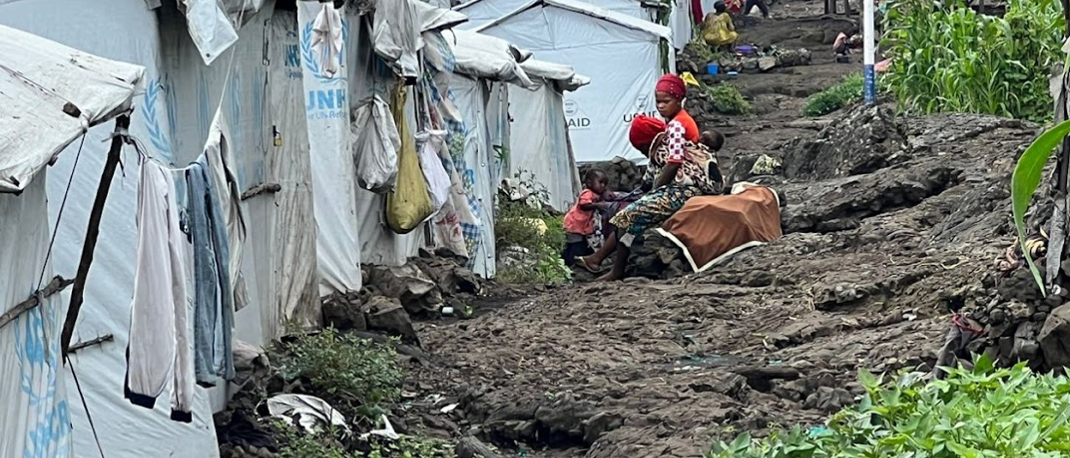
 Unlike traditional strains of the Ebola virus, Budiyongo is spread by direct exposure to bodily fluids such as blood, urine, and saliva.  The reality of the DRC’s densely populated refugee camps and internally displaced people makes avoiding the virus virtually impossible and turns a localized health issue into an uncontrollable humanitarian crisis.

According to the United Nations High Commissioner for Refugees (UNHCR), over 6.9 million Congolese people are internally displaced within the country, with 5 million people being concentrated within the eastern provinces of North Kivu, Ituri and South Kivu.

Within these eastern provinces, severe overcrowding of official and unofficial refugee camps has created an environment that allows the virus to thrive.

Since November 2024,  Doctors Without Borders has reported that compact refugee camps surrounding Goma have been enduring clean-water and sanitation shortages. As the M23 conflict has progressed, the population of refugees in eastern province camps has only become denser.

During these pressing times, the lack of sanitation and clean water only amplifies the harm that the virus causes within Congolese refugee communities. Healthcare workers and refugees taking precautions to avoid contracting the virus won’t be able to effectively execute the necessary handwashing practices needed to remove possible Ebola pathogens if the water itself is not clean.

 In addition, Ebola generally causes profound fluid loss due to the common symptoms of constant vomiting and diarrhea, which can cost the body anywhere from 3 to 10 liters of fluid per day. However, the lack of clean drinking water within Congolese refugee camps jeopardizes severe dehydration. This increases the possibility of dying from organ failure or hypovolemic shock exponentially.

Physicians for Human Rights reports that as early as July, healthcare workers have been expressing their concerns about not being able to contain the virus due to increasing attacks on health workers and facilities as armed militant groups remain in the eastern provinces.

Since the one hundred-day Rwandan Genocide, approximately 1 million Rwandans of Tutsi origin fled into the eastern region of the DRC (then Zaire) to seek refuge. In addition to these refugees,  Hutu- majority perpetrators of the genocide crossed the border as well; subsequently, groups of both Hutu and Tutsi origin have formed militant groups like  Front Patriotique et Intégrationniste du Congo (FPIC) and the M23.

 Efforts by healthcare workers and humanitarian groups have been foiled by armed militias. For example, on July 6, FPIC blocked workers from delivering preventive disease control kits to a local health center in Ituri.

Many Congolese facilities lack sufficient equipment to track the spread of the virus without having support from external sources. Much of the equipment used by these facilities is single-use, driving constant demand for more medical supplies. A doctor in Bunia reported that some medical facilities closed because they lacked infection-prevention supplies.

Ebola in itself is a force to be reckoned with–countless measures must be taken in order to halt its spread. The geopolitical complications in Congo are exacerbating the underlying destruction the virus is causing communities. Many of those who need immediate medical attention are not able to access it because they are caught in the cross-fire of armed conflict.

However, there are actionable steps to take, such as donating to Friend of the Congo’s campaigns for emergency supplies and overall support for the well-being of Congolese citizens. Ultimately, without the necessary operational medical systems, Congolese citizens will continue to endure this devastating humanitarian crisis that will progress each day if there is a lack of national or international support to contain it.

Written by Brielle Broomes