
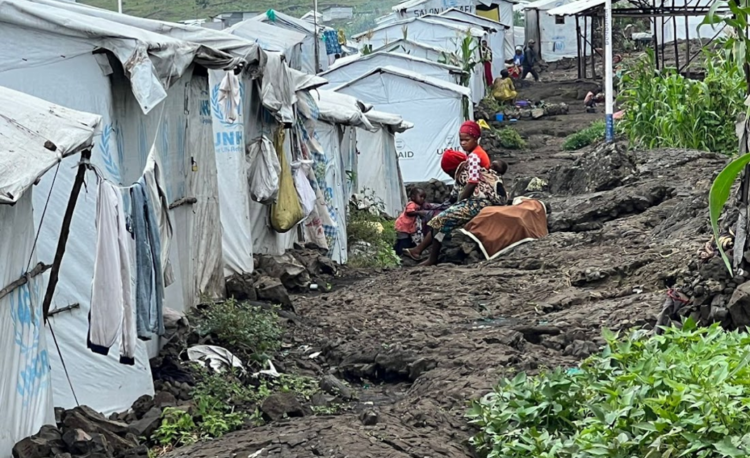
The Democratic Republic of the Congo (DRC) is leading as the epicenter of an Ebola Epidemic. On May 15, 2025, the Ministry of Health of the Democratic Republic of Congo officially declared the nation’s 17th Ebola outbreak within the past 50 years, the Budiyongo Ebola virus, which has rapidly escalated into the deadliest outbreak that the country has experienced.
As of Oct.7, a total of 8,728 cases of the virus have been confirmed, claiming the lives of 4,205 people. From Aug. 17-24, 317 deaths were reported, marking the deadliest single week of the outbreak so far. The Budiyongo strain is an extremely rare subtype of Ebola that has an approximate 48.5% mortality rate. Originally discovered in Uganda’s Budiyongo district in 2007, the strain has no approved vaccine or treatment as of 2026.
Unlike traditional strains of the Ebola virus, Budiyongo is spread by direct exposure to bodily fluids such as blood, urine, and saliva. The reality of the DRC’s densely populated refugee camps and internally displaced people makes avoiding the virus virtually impossible and turns a localized health issue into an uncontrollable humanitarian crisis.
According to the United Nations High Commissioner for Refugees (UNHCR), over 6.9 million Congolese people are internally displaced within the country, with 5 million people being concentrated within the eastern provinces of North Kivu, Ituri and South Kivu.
Within these eastern provinces, severe overcrowding of official and unofficial refugee camps has created an environment that allows the virus to thrive.
Since November 2024, Doctors Without Borders has reported that compact refugee camps surrounding Goma have been enduring clean-water and sanitation shortages. As the M23 conflict has progressed, the population of refugees in eastern province camps has only become denser.
During these pressing times, the lack of sanitation and clean water only amplifies the harm that the virus causes within Congolese refugee communities. Healthcare workers and refugees taking precautions to avoid contracting the virus won’t be able to effectively execute the necessary handwashing practices needed to remove possible Ebola pathogens if the water itself is not clean.
In addition, Ebola generally causes profound fluid loss due to the common symptoms of constant vomiting and diarrhea, which can cost the body anywhere from 3 to 10 liters of fluid per day. However, the lack of clean drinking water within Congolese refugee camps jeopardizes severe dehydration. This increases the possibility of dying from organ failure or hypovolemic shock exponentially.
Physicians for Human Rights reports that as early as July, healthcare workers have been expressing their concerns about not being able to contain the virus due to increasing attacks on health workers and facilities as armed militant groups remain in the eastern provinces.
Since the one hundred-day Rwandan Genocide, approximately 1 million Rwandans of Tutsi origin fled into the eastern region of the DRC (then Zaire) to seek refuge. In addition to these refugees, Hutu- majority perpetrators of the genocide crossed the border as well; subsequently, groups of both Hutu and Tutsi origin have formed militant groups like Front Patriotique et Intégrationniste du Congo (FPIC) and the M23.
Efforts by healthcare workers and humanitarian groups have been foiled by armed militias. For example, on July 6, FPIC blocked workers from delivering preventive disease control kits to a local health center in Ituri.
Many Congolese facilities lack sufficient equipment to track the spread of the virus without having support from external sources. Much of the equipment used by these facilities is single-use, driving constant demand for more medical supplies. A doctor in Bunia reported that some medical facilities closed because they lacked infection-prevention supplies.
Ebola in itself is a force to be reckoned with–countless measures must be taken in order to halt its spread. The geopolitical complications in Congo are exacerbating the underlying destruction the virus is causing communities. Many of those who need immediate medical attention are not able to access it because they are caught in the cross-fire of armed conflict.
However, there are actionable steps to take, such as donating to Friend of the Congo’s campaigns for emergency supplies and overall support for the well-being of Congolese citizens. Ultimately, without the necessary operational medical systems, Congolese citizens will continue to endure this devastating humanitarian crisis that will progress each day if there is a lack of national or international support to contain it.
Written by Brielle Broomes