
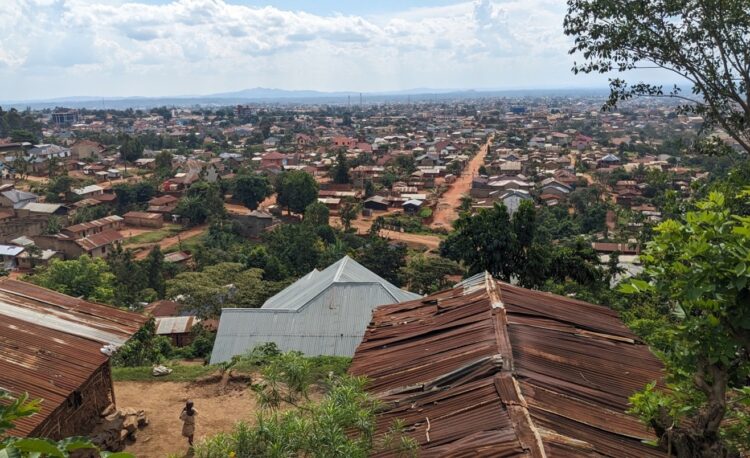
Twelve years to the day after the first large-scale massacres, the Beni region, located in North Kivu province, is still healing its gaping wounds. On October 2, 2014, the town of Mukoko was plunged into horror, marking the beginning of the bloody rampage by terrorists from the Allied Democratic Forces (ADF).
Since that tragic date, the atrocities have never ceased: more than 15,000 civilians have lost their lives in the region. Despite the launch of multiple successive military operations, blood continues to flow in torrents. Beyond the mass killings, local populations endure unspeakable suffering daily, marked by systematic abductions, the burning of villages, and the mass displacement of families fleeing the insecurity.
In the face of this humanitarian crisis, the local population continues to demand concrete action to restore state authority.
A painful reality has now become clear: this tragedy seems to have been pushed to the sidelines of national and governmental attention, as the news is largely dominated by the crisis stemming from the aggression by the Alliance Fleuve Congo (AFC-M23), supported by Rwanda.
Faced with this apparent indifference, Christian Basikania, a community leader in the region, has vigorously appealed to the Congolese nation. For him, the duty to remember the victims and the establishment of a strong judicial system are the only paths to a favorable outcome.
“There is no peace without justice; there is no peace without reparations. For peace and social cohesion to return, the rule of law is indispensable,” he insisted.
The persistence of this violence for more than a decade has placed an overwhelming psychological and social burden on the youth of Beni, who are deprived of prospects for the future and lulled by the sound of gunfire.
To break this vicious cycle, the community leader believes it is imperative that internal barriers be torn down. He calls on the population to overcome internal divisions in order to defend the most fundamental of rights: the right to live in safety.
Christian Basikania urges opinion leaders, political figures, and citizens to come together in a sacred union, transcending political divides and partisan interests.
“It is time for us to stand united. We must put aside what divided us to guarantee, at the very least, the right to life. Let us set aside our political divisions and selfish interests and all cry out together: justice!” he declared solemnly.
On this October 2, 2026, the commemoration of the first waves of massacres is taking place in an atmosphere of solemn reflection and intense tension. For the victims’ families and the affected local communities, official recognition of the suffering endured, the identification of those responsible for these crimes, and the securing of reparations remain the top priorities.
While the memory of those who have disappeared remains deeply rooted in Beni’s collective memory, the message from the people remains unchanged and more urgent than ever: an immediate end to the violence and absolute respect for the right to life.
Written by Azarias Mokonzi
Caption: View of part of the city of Beni. Photo by Akilimali Chomachoma